
Let’s be honest—weather doesn’t care how much you paid for your house. From harsh sun and strong winds to rain and freezing temps, the outside of your living space takes a hit every day. Over time, that wear and tear shows up in ways you don’t always notice until it’s too late.
But here’s the good news: with a little routine care, you can keep everything looking good and working as it should. You don’t have to be a contractor or handyman the middle to protect your space. Just a few simple checks each season can make a big difference. Let’s dive into the basics that every homeowner should know.
Inspect Your Roof Regularly
The roof is the first layer of defense against the weather. It keeps the inside dry, regulates temperature, and protects everything underneath it. That’s why it’s so important to keep an eye on it. Missing shingles, damaged flashing, or sagging sections should never be ignored. Aim to visually inspect your roof at least twice a year—especially after storms. Look from the ground using binoculars, or hire a professional if you’re not comfortable getting on a ladder. Catching small issues early can prevent expensive repairs down the road.
Address Wall Damage
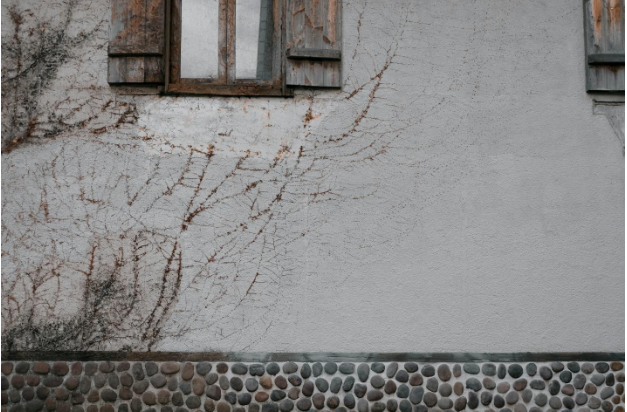
The outside walls take a beating over the years. Wind, rain, and sun can lead to cracks, fading, or loose panels. When left unchecked, those weak spots can let in water, pests, and cold air, which creates bigger problems inside. That’s where professional siding repair comes in. The right professionals provide fast and reliable service to fix damaged areas. Their work restores the exterior’s look and function, helping protect your investment without the need for a full replacement.
Maintain Gutters and Downspouts
Water damage often starts with clogged or broken gutters. When water can’t flow away properly, it spills over the edge and seeps into walls, windows, and even the foundation. That can lead to rot, mold, or major structural issues. Clean your gutters at least twice a year. Remove leaves, twigs, and anything else that’s blocking the flow. Also, check that downspouts direct water several feet away from the base of the structure. It’s a simple job that saves a lot of trouble later on.
Seal Windows and Doors
Gaps around windows and doors are common problem areas. They let in drafts, moisture, and sometimes bugs. Over time, these tiny openings can lead to energy loss and water damage if they’re not sealed up properly. Use weather stripping or caulk to seal edges and corners. Check for peeling or cracked sealant every year and reapply as needed. Not only does this help with comfort inside, but it also keeps your energy bills in check.
Repaint Exterior Surfaces When Needed
Paint isn’t just for looks. It acts as a barrier against moisture, sun, and temperature swings. When it starts to peel or fade, it’s a sign the surface is no longer fully protected. Repainting every few years, depending on material and climate, can extend the life of your exterior. It’s also a great chance to inspect for hidden damage. Choose quality paint that’s meant for outdoor use to get the best results.
Trim Trees and Bushes Away from the House
Overgrown trees and shrubs might look nice but can quietly cause damage. Branches can scrape against the roof, windows, and walls—especially during high winds. Fallen leaves can clog gutters, and thick vegetation can attract pests like ants, termites, or rodents. To prevent these issues, trim trees and bushes so they don’t touch or hang too close. A three-foot clearance around the structure is a good rule of thumb. This also makes regular inspections and maintenance much easier throughout the year.
Check for Foundation Cracks
The foundation holds everything together. If it weakens or cracks, it can cause serious structural problems. Even small cracks can let in moisture, which may lead to mold or interior damage. That’s why checking it at least twice a year is important. Walk around the exterior and look closely at the base. If you spot hairline cracks, seal them with proper filler. If the cracks are larger or growing, call in a professional for evaluation. Catching issues early is key to avoiding expensive repairs later on.
Power Wash and Clean the Exterior
Dirt, grime, and mildew build up over time. They don’t just make things look bad—they can also slowly wear down paint, wood, and other materials. A power wash every year or two can help restore the appearance and improve durability. You don’t need to go overboard. Focus on visible surfaces like walls, porches, and walkways. Use the correct setting to avoid damage, or hire a professional for more delicate surfaces. A clean exterior makes everything look fresh and well cared for.
Upgrade or Maintain Exterior Lighting
Proper lighting outside keeps things safe at night. It helps prevent trips and falls and also deters unwanted visitors. Motion-activated lights near entrances, driveways, and paths are especially useful. Check that all bulbs are working and fixtures are clean and securely mounted. Consider solar-powered options for energy savings. Even a few lights can make a big difference in security and nighttime usability.
Schedule Seasonal Maintenance Checks
Staying ahead of damage means doing regular inspections, not just when something breaks. Create a simple checklist for spring and fall that includes all the key areas mentioned above. It’s a small effort that keeps things from piling up. Walk around with a notepad and look for signs of wear. Fix what you can and plan ahead for bigger tasks. Keeping things on schedule helps avoid emergency repairs—and saves money in the long run.
Weather and time affect every part of your property, but a little attention goes a long way. By tackling small tasks and being proactive, you can keep everything strong, safe, and looking great for years to come. Whether it’s sealing gaps, clearing gutters, or scheduling a simple inspection, each step adds up to long-term protection. It’s not about doing everything at once but staying consistent. Start small, stay on it, and you’ll avoid big headaches later.
