
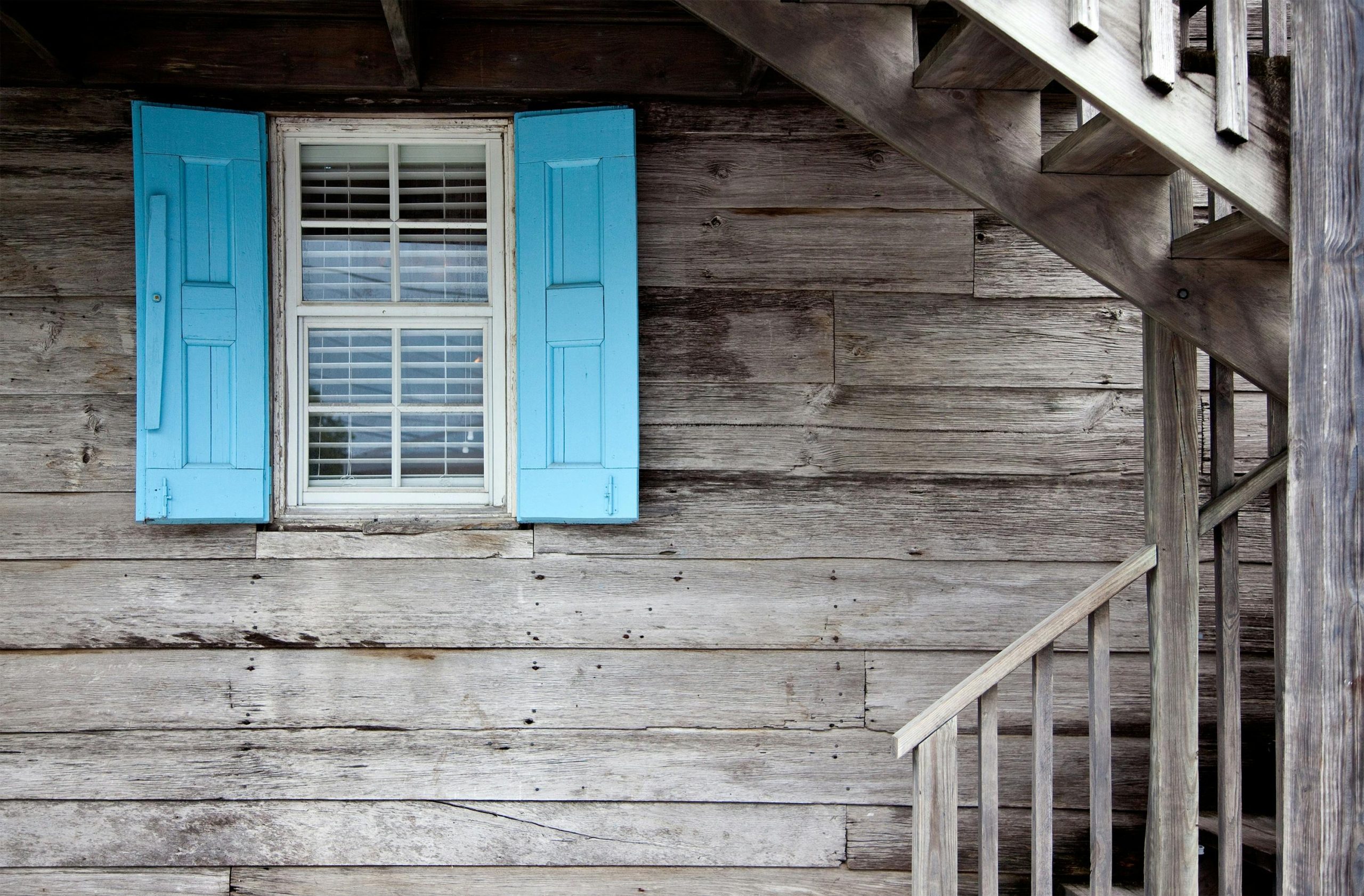
Older homes offer charm, character, and craftsmanship that newer properties often can’t match. From original hardwood floors to unique architectural details, these houses carry a sense of history that appeals to many buyers. However, purchasing an older home also comes with challenges that can affect safety, budget, and long‑term maintenance. Understanding the most common issues—and how to address them proactively—can help you make a confident and informed decision as you move forward with your purchase.
Aging Electrical Systems and Outdated Wiring
Electrical systems in older homes were not designed to support the number of appliances, devices, and electronics used today. Many historic properties still rely on outdated wiring, such as knob‑and‑tube or aluminum systems, which can pose fire hazards and fail to meet modern safety standards. Insufficient outlets, overloaded circuits, and lack of grounding are also common concerns.
To avoid costly surprises, buyers should schedule a comprehensive electrical inspection before closing. A licensed electrician can identify safety risks, estimate upgrade costs, and help you understand what improvements are necessary to bring the home up to code. Factoring these updates into your budget early prevents unexpected expenses after move‑in.
Structural Wear and Foundation Problems
Time, weather, and settling can take a toll on a home’s structural integrity. Foundation cracks, uneven floors, sagging beams, and moisture damage are issues frequently found in older properties. While some signs of settling are normal, others may indicate more serious structural concerns that require professional evaluation.
A qualified home inspector or structural engineer can assess the extent of any damage and recommend appropriate repairs. Addressing structural issues early is essential, as they can worsen over time and lead to more extensive—and expensive—problems. Understanding the condition of the foundation and framing helps you determine whether the home is a sound investment.
Environmental Hazards Hidden in Older Materials
Many older homes contain materials that were once common but are now known to pose health risks. Lead paint, asbestos insulation, and outdated plumbing materials can all create safety concerns for homeowners. Asbestos, in particular, is often found in insulation, floor tiles, siding, and other building components in homes built before the 1980s. If testing reveals asbestos, consulting professionals such as quality asbestos lawyers in Kentucky, may be necessary to understand liability, remediation requirements, and your rights as a buyer.
To avoid exposure and unexpected remediation costs, buyers should request environmental testing during the inspection period. Identifying hazards early allows you to negotiate repairs, request seller concessions, or plan for safe removal after purchase.
Inefficient Windows, Insulation, and HVAC Systems
Energy efficiency is a common challenge in older homes. Original windows, insufficient insulation, and outdated heating or cooling systems can lead to high utility bills and inconsistent indoor temperatures. While these features may contribute to the home’s charm, they often require upgrades to improve comfort and reduce long‑term costs.
Energy audits can help identify areas where improvements will have the greatest impact. Replacing single‑pane windows, adding insulation, and updating HVAC systems are common upgrades that enhance efficiency without compromising the home’s character. Some buyers also explore historic‑appropriate window restorations to maintain authenticity while improving performance.
Plumbing Issues and Aging Pipes
Plumbing systems in older homes may include galvanized steel or cast‑iron pipes that corrode over time. These materials can lead to low water pressure, leaks, or water discoloration. Sewer lines may also be vulnerable to tree‑root intrusion or deterioration, especially in homes with mature landscaping.
A plumbing inspection—including a sewer scope—can reveal hidden issues that aren’t visible during a standard walkthrough. Understanding the condition of the pipes helps you anticipate future repairs and avoid unexpected water damage. In some cases, partial or full pipe replacement may be necessary to ensure long‑term reliability.
Conclusion
Buying an older home can be a rewarding experience, but it requires careful evaluation and planning to avoid costly surprises. By addressing electrical, structural, environmental, efficiency, and plumbing concerns early, you can protect your investment and enjoy the unique character your home has to offer. Which part of the home‑buying process are you hoping to feel more confident about as you move forward?
