
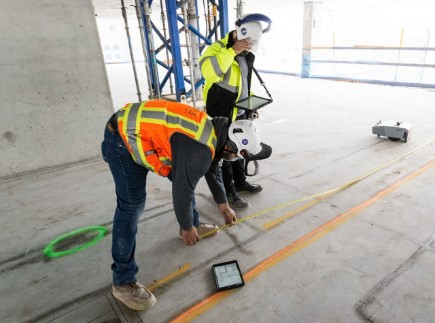
Rework is the silent budget killer on construction projects. It rarely shows up as one big failure. It appears as small fixes, repeat tasks, and quiet do-overs. By the time it is noticed, the damage is already done.
Industry studies estimate that rework costs between 5 and 15 percent of total construction costs. On residential projects, that can mean tens of thousands of dollars lost. Not from disasters, but from avoidable mistakes.
This article explains why rework happens, why it costs so much, and how to stop it before it starts.
What Rework Really Is
Rework Is Not Just Fixing Mistakes
Rework is any work that has to be done more than once. That includes tearing out finished work. It also includes redoing tasks because something was missed, misunderstood, or changed too late.
Examples include:
- Reframing walls after inspections
- Reinstalling plumbing because of layout conflicts
- Repainting due to poor prep
- Replacing damaged materials
Each one seems small. Together, they add up fast.
Why Rework Hurts More Than It Looks
Rework costs more than original work. Crews are already mobilized. Materials are already used. Schedules are already tight.
A study by the Construction Industry Institute found that rework can increase labor costs by up to 20 percent on affected tasks.
That is real money burned with no added value.
The Hidden Costs of Rework
Labor Gets Wasted First
Labor is the most expensive resource on a job site. Rework means paying skilled workers to undo progress.
Crews lose momentum. Morale drops. Frustration rises.
Once people feel they are fixing preventable problems, focus slips.
Materials Get Thrown Away
Many materials cannot be reused. Drywall breaks. Lumber warps. Finishes get damaged.
The Environmental Protection Agency estimates that construction waste accounts for over 600 million tons of debris each year in the United States. Rework is a major contributor.
Waste costs money twice. Once to buy it. Again to remove it.
Schedules Start to Collapse
Rework causes delays. Delays cause overlap. Overlap creates congestion.
When trades stack on top of each other, mistakes multiply. That creates more rework.
It is a cycle that feeds itself.
Why Rework Happens So Often
Poor Planning Up Front
Most rework starts with weak planning. Incomplete drawings. Unclear scopes. Missing details.
According to industry surveys, over 30 percent of rework is caused by design and planning issues.
Fixing plans on paper is cheap. Fixing them in the field is not.
Bad Communication on the Job Site
Silence creates mistakes. Changes that are not shared get missed.
A framing crew builds from old plans. A plumber follows a different layout. The conflict shows up too late.
That wall comes down.
Rushing to Stay on Schedule
Speed creates pressure. Pressure creates shortcuts.
Crews skip checks. Supervisors assume things are fine. Problems get covered instead of corrected.
Rushing saves hours early and costs weeks later.
Poor Coordination Between Trades
Trades often work in isolation. Each one focuses on their scope.
Mechanical, electrical, and plumbing systems fight for the same space. When coordination fails, systems collide.
Rework follows.
Why Rework Is Hard to See Early
It Hides Behind Progress
Work looks busy. Walls go up. Finishes go on.
Rework often stays invisible until inspections fail or systems get tested.
By then, access is limited. Costs are higher.
It Gets Normalized
Some teams accept rework as part of the job. That mindset is dangerous.
When rework feels normal, prevention stops. The job becomes reactive.
Experienced builders like Shawn Mayers often point out that good job sites feel calm. Chaotic sites are usually fixing yesterday’s mistakes.
How to Stop Rework Before It Starts
Plan Hard Before Building
Strong planning reduces rework more than any tool or system.
Action steps:
- Review drawings in detail
- Confirm dimensions and layouts
- Identify trade conflicts early
- Lock decisions before framing
Time spent planning pays back every day.
Communicate Changes Immediately
Late changes cause the worst rework.
Action steps:
- Share updates the same day
- Confirm receipt with trades
- Post revised plans clearly
- Walk changes in person
Assumptions are expensive.
Inspect Work Every Day
Waiting for inspections is too late.
Action steps:
- Walk the site daily
- Check work before it gets covered
- Use simple checklists
- Fix issues immediately
Early fixes are cheaper fixes.
Coordinate Trades Like a System
Trades are connected. Treat them that way.
Action steps:
- Hold coordination meetings
- Review rough-in layouts together
- Walk framing before installations
- Resolve conflicts on paper
Paper changes cost nothing. Field changes do not.
Protect Quality Over Speed
Speed without control creates rework.
Action steps:
- Set realistic schedules
- Avoid stacking trades too tightly
- Allow cure and dry times
- Never reward rushing
Quality work moves faster in the long run.
Why Leaders Matter Most
Rework Is a Leadership Issue
Crews follow the tone set by leadership. If leaders rush, crews rush. If leaders ignore details, crews do the same.
Leaders who value preparation reduce rework naturally.
Standards Must Be Enforced Daily
Standards only matter if they are applied consistently.
Action steps:
- Set clear expectations
- Correct issues immediately
- Lead by example
- Reward quality work
Consistency builds discipline.
The Long-Term Damage of Rework
Trust Takes a Hit
Clients notice rework. They see delays and hear excuses.
Trust erodes when the same issues repeat.
Costs Stay Hidden Until the End
Rework often shows up late in budgets. Margins disappear quietly.
By the time it is noticed, it is too late to recover.
Teams Burn Out
Constant rework exhausts crews. Pride drops. Turnover rises.
Good workers leave bad sites.
The Real Fix
Rework is not a mystery. It comes from poor planning, weak communication, and rushed decisions.
The fix is not complicated. It is disciplined.
Plan better. Communicate clearly. Inspect daily. Coordinate early. Protect quality.
Construction rewards people who do the basics well. Every time.
Stop rework early, and everything else gets easier.
