
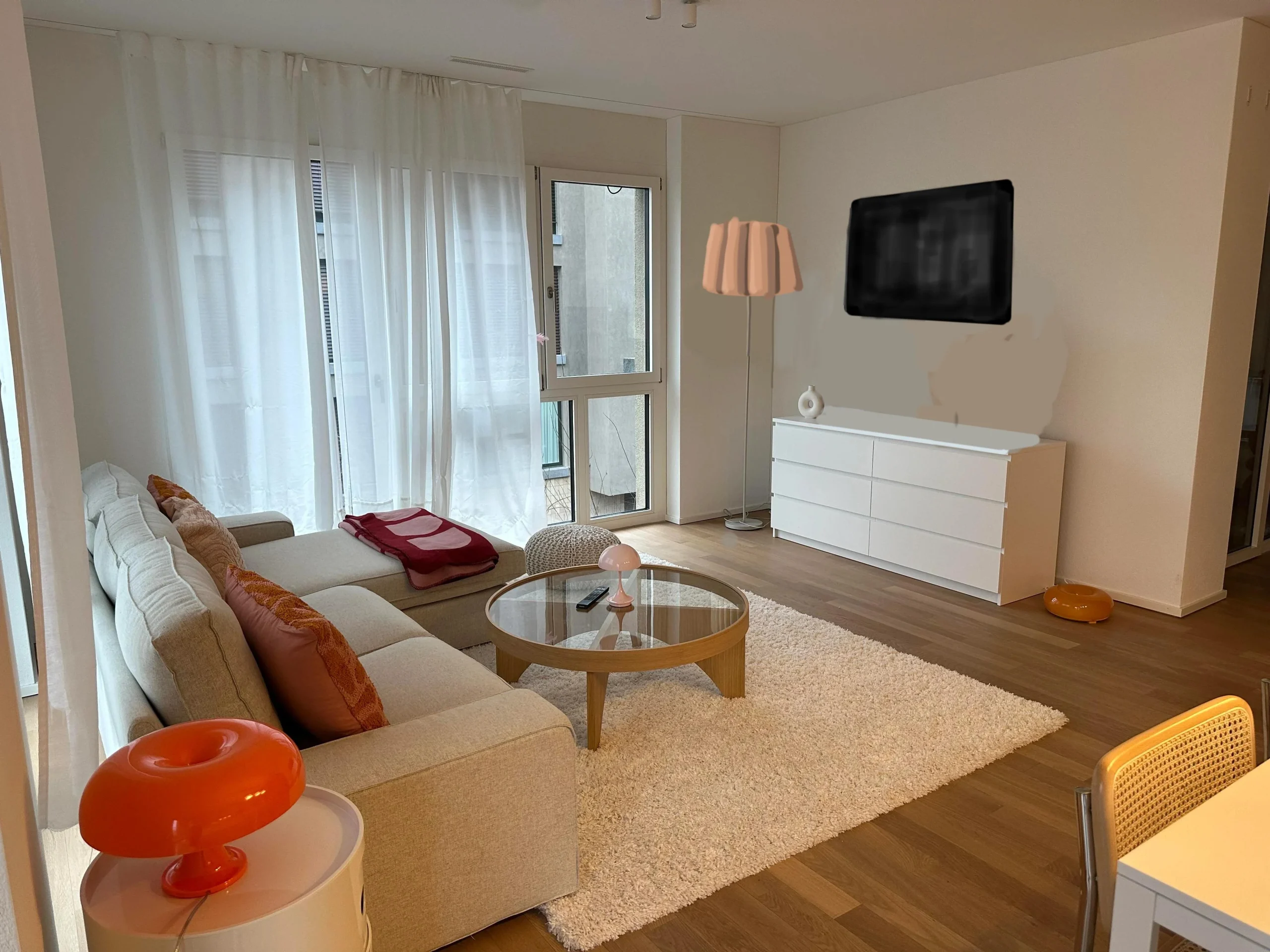
I didn’t notice it right away.
At first, it was just a strange feeling whenever I walked across the living room. Nothing dramatic. No loud cracks or anything that screamed: “There’s a problem.” Just this quiet sense that something wasn’t quite right.
You know that feeling when your brain picks up on something before you can explain it?
Like when a picture frame is slightly crooked, and it bothers you more than it should. Except this time, it wasn’t a frame.
It was the floor.
And for a while, I told myself I was imagining it.
When It Stopped Being “Just a Feeling”
It didn’t stay subtle forever.
A chair started wobbling on what should’ve been a flat surface. One of the doors suddenly needed an extra push to close. Then one day, I dropped a pen, and watched it slowly roll across the room like it had somewhere to be.
That’s when it clicked.
Floors aren’t supposed to do that.
And once you notice something like that, you can’t unsee it.
Not All Foundation Problems Start Big
When people hear “foundation issues,” they tend to imagine the worst.
Cracked walls. Major structural damage. The kind of situation that looks serious from a mile away.
But from what I learned, that’s not how it usually begins.
Most of the time, it starts quietly. Small, almost unnoticeable changes that are easy to brush off. And because they happen gradually, you adjust without realizing it.
Until one day, you stop and think,
“Wait… has this always been like this?”
Why Slab Foundations Can Be Tricky
One thing that made this harder to figure out is that my home sits on a slab foundation.
There’s no basement. No crawl space. Nothing visible underneath.
So if something shifts below the surface, you don’t see it directly, you feel it through subtle changes inside your home.
Slight slopes. Doors that don’t quite line up. Small cracks that don’t seem urgent on their own.
But together, they start to tell a story.
What’s Happening Beneath the Surface
This was something I hadn’t really thought about before.
The ground under your home isn’t static. It expands when it absorbs moisture and shrinks when it dries out. Over time, that movement can affect how your foundation sits especially with slab foundations.
If that movement isn’t even, parts of your home can shift slightly as a result.
Not all at once. Not dramatically.
But enough to create those subtle signs that slowly become harder to ignore.
Why It’s Easy to Put Off
To be honest, I didn’t act on it right away.
Most people don’t.
You notice something feels off, but you tell yourself it’s probably nothing. You wait. You observe. You hope it doesn’t turn into something bigger.
And sometimes, it doesn’t.
But sometimes, it does.
The tricky part is that foundation issues don’t usually stay exactly the same. They either stabilize or gradually get worse. And without a closer look, it’s hard to know which direction things are going.
Falling Into the Research Rabbit Hole
Eventually, curiosity (and a bit of concern) got the better of me.
So I did what most people do, I started researching.
Late nights, too many tabs open, trying to figure out what was normal and what wasn’t. At some point, I came across information from Acculevel Foundation Repair Experts while looking into slab foundation repair in Beavercreek and the common causes of these issues.
What helped most wasn’t scare tactics or worst-case scenarios.
It was understanding.
Learning how soil movement affects slab foundations. Seeing how small signs can point to early-stage problems. Realizing that not every issue means something catastrophic, but it does mean something worth paying attention to.
It’s Not Just About the Structure
One thing I didn’t expect was how much it would affect how I felt in my own home.
When something seems off, even slightly, it stays in the back of your mind.
You start noticing everything. Questioning every creak or shift. Wondering if it’s connected.
And your home is supposed to feel stable, physically and mentally.
So when that sense of stability changes, even just a little, it matters.
Looking Back, The Signs Were There
Thinking about it now, there were definitely early signs I brushed off.
The uneven feeling in certain spots. The door that didn’t quite line up anymore. The small cracks that didn’t seem like a big deal at the time.
Individually, none of them felt urgent.
But together, they added up.
And if I had paid closer attention earlier, I probably would’ve taken a closer look sooner, not out of panic, but out of awareness.
Why Understanding Matters More Than Guessing
At some point, I realized I didn’t need to figure everything out on my own.
I just needed clarity.
Guessing only leads to more stress. But understanding what’s actually happening, even if it turns out to be minor, makes everything feel more manageable.
Especially with something like slab foundation issues, where the signs aren’t always obvious.
If This Feels Familiar
If you’ve noticed subtle changes in your home, uneven floors, sticking doors, things that just don’t feel quite right, it’s worth paying attention.
That doesn’t mean jumping to conclusions.
It just means being aware.
Watch for patterns. Notice if things change over time. And if something doesn’t seem to improve, it might be worth looking into what’s really going on beneath the surface.
Bringing It All Back
If there’s one thing I took away from this experience, it’s this:
Your home doesn’t have to be falling apart to deserve attention.
Sometimes it’s the quiet, subtle changes that matter most.
And if you ever find yourself looking into things like slab foundation repair in Beavercreek, chances are something has already caught your attention.
At that point, it’s not about worrying.
It’s about understanding, and making sure your home feels as steady as it should.
