
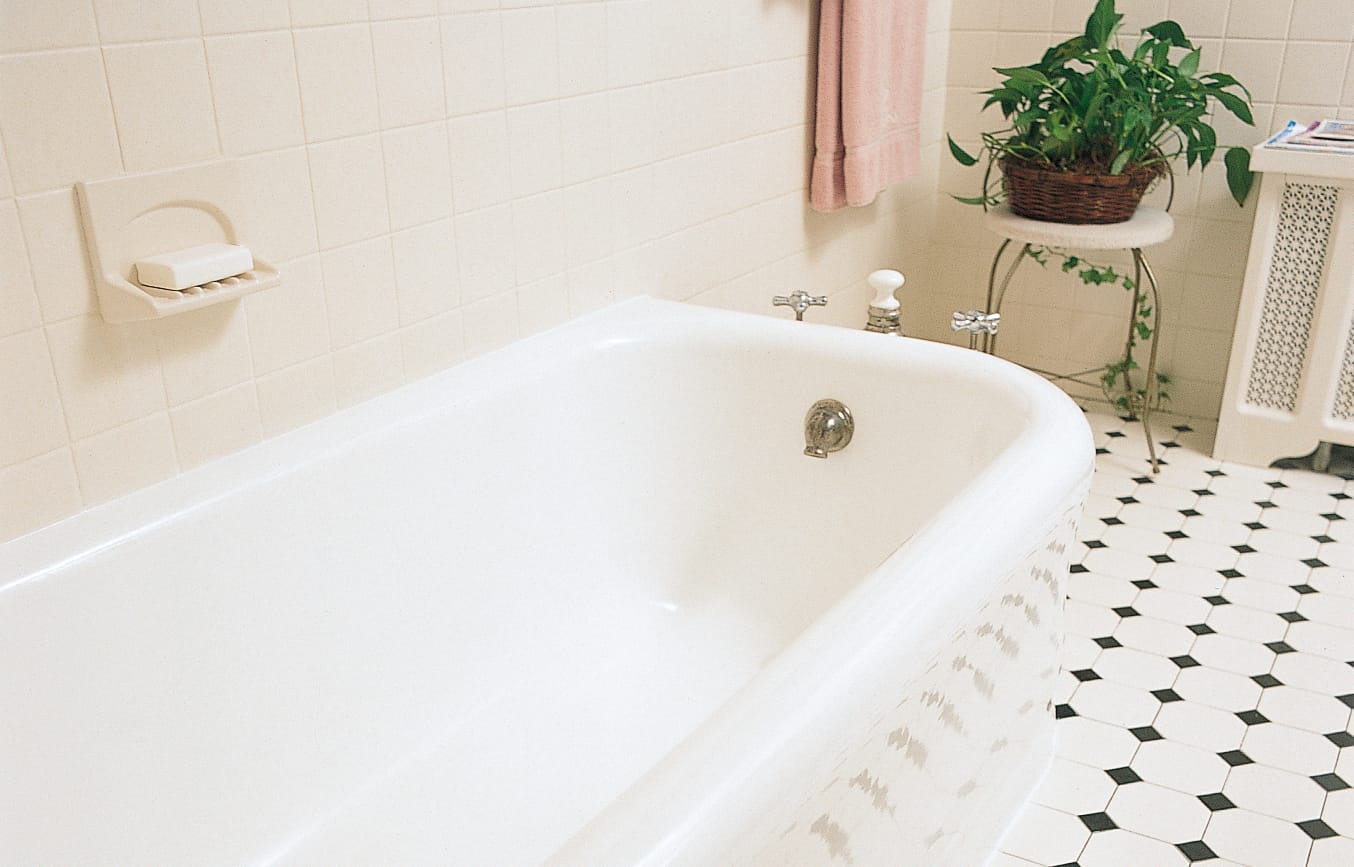
Cast iron bathtubs occupy a unique place in home renovation conversations. On one hand, they’re relics — heavy, dated-looking to some eyes, and seemingly at odds with the clean lines of a modern bathroom remodel. On the other hand, they represent a standard of quality that simply isn’t reproduced in most of what’s sold today. Thick walls, exceptional heat retention, a solidity underfoot that modern acrylic and fiberglass tubs can’t replicate.
For homeowners lucky enough to have one, the question eventually becomes: what do you do with a cast iron tub that looks worn but is structurally magnificent? Replacing it means disposing of something that was built to last a century and paying a significant premium to replace it with something that won’t. Leaving it as-is means accepting a yellowed, chipped surface that drags down whatever else you’ve done to the bathroom.
The answer, for most cast iron tubs in most conditions, is professional refinishing. It’s one of the most satisfying restoration projects available to a homeowner — and the results consistently justify the decision to save rather than replace.
What Makes Cast Iron Tubs Different
Understanding why cast iron tubs are worth preserving starts with understanding what they are. Cast iron tubs are made by pouring molten iron into a mold, producing a thick, dense, dimensionally stable shell that’s then coated with multiple layers of porcelain enamel fired at extremely high temperatures. The result is a surface that bonds chemically to the iron rather than sitting on top of it — and a substrate that doesn’t flex, warp, or degrade the way lighter materials do.
The practical implications of that construction are significant. Cast iron tubs hold heat far better than acrylic or fiberglass — bathwater stays warm considerably longer. They absorb sound rather than amplifying it, so filling and draining is quieter. They don’t flex underfoot, which means the surface coating isn’t subjected to the micro-movement stress that causes fiberglass and acrylic to crack and craze over time. And they are, in most cases, simply better made than contemporary alternatives at equivalent or even premium price points.
A cast iron tub that’s fifty or seventy years old and has a worn surface is not a tub that has failed. It’s a tub whose enamel has degraded — a surface condition that is entirely addressable — sitting on top of a substrate that likely has decades of useful life remaining.
How Cast Iron Tub Enamel Fails Over Time
The porcelain enamel surface of a cast iron tub is genuinely durable, but it’s not invulnerable. Several failure modes are common in older tubs, and understanding them helps homeowners assess what they’re dealing with.
Yellowing and discoloration. Original white or off-white enamel oxidizes and discolors over decades of use. Hard water mineral deposits, certain cleaning chemicals, and simple age all contribute to a yellowing that can’t be reversed through cleaning. The enamel itself has changed color.
Chips and impact damage. Dropped objects — shampoo bottles, toiletries, tools during other renovation work — can chip porcelain enamel. Chips expose the bare iron underneath, which then begins to rust if not promptly addressed. A single chip left untreated becomes a rust spot; multiple rust spots become a significant restoration challenge.
Surface dullness. The gloss of porcelain enamel diminishes over time with repeated exposure to cleaning products, particularly abrasive ones. A surface that was once mirror-bright becomes matte and flat-looking, and no amount of polish restores it to its original state.
Rust migration. Where chips or scratches have exposed bare iron, rust can develop and migrate laterally beneath the enamel surface, lifting it from the substrate. Caught early, rust damage can be treated and stabilized as part of a refinishing process. Left unaddressed for years, it can spread to the point where structural concerns arise.
The key diagnostic question is whether the iron substrate itself is compromised. A tub with surface enamel damage — chips, yellowing, dullness, even significant rust staining — but intact structural iron is an excellent refinishing candidate. A tub with extensive rust penetration through the iron wall is a different situation and warrants a more careful assessment.
What Professional Cast Iron Tub Refinishing Involves
Professional cast iron tub refinishing is a more demanding process than refinishing lighter materials, and it requires specific expertise and materials to do correctly. The density and thermal mass of cast iron affect how preparation and coatings behave, and the presence of porcelain enamel as the original substrate requires bonding approaches different from what works on fiberglass or acrylic.
A properly executed cast iron refinishing job follows this sequence:
Chemical cleaning and stripping. All soap scum, mineral deposits, and surface contaminants are removed. On cast iron tubs with decades of use, this is a thorough process that prepares the surface at a chemical level for what follows.
Rust treatment. Any areas of exposed iron with rust are treated with rust-neutralizing compounds that chemically convert and stabilize the oxidation. This is a critical step unique to cast iron refinishing — simply coating over rust without treating it will result in continued degradation beneath the new finish.
Chip and surface repair. Chips, cracks, and areas of missing enamel are filled with compatible materials and leveled to match the surrounding surface. On a cast iron tub with porcelain enamel, this requires fillers that bond reliably to both the iron substrate and the existing enamel.
Mechanical preparation. The enamel surface is carefully abraded to create a mechanical bond for the new coating. The hardness of porcelain enamel requires more aggressive preparation than softer substrates — and more care to avoid damaging the substrate while achieving the necessary surface profile.
Bonding primer. A primer formulated for porcelain and vitreous enamel substrates is applied. Adhesion to fired enamel is challenging without the right primer chemistry — this is one of the clearest differentiators between contractors who specialize in cast iron and those who don’t.
Topcoat application. A professional two-part urethane topcoat is sprayed in even, controlled layers. The finished surface is smooth, uniformly glossy, and visually equivalent to the original enamel — without the yellowing, chipping, or dullness that prompted the refinishing in the first place.
Curing. The finish cures for 24 to 48 hours before the tub returns to use. The thermal mass of cast iron means the tub itself stays cooler during this period than lighter materials would, which can affect cure dynamics — another reason experience with cast iron specifically matters.
The finished tub looks genuinely restored. The enamel-white surface is bright, smooth, and consistent. The chips are gone. The rust stains are gone. And the cast iron underneath — still solid, still perfectly functional — has been given another generation of useful life.
Refinishing vs. Replacing a Cast Iron Tub: The Full Comparison
Replacing a cast iron tub is one of the more involved bathroom renovation tasks a homeowner can undertake. The weight of cast iron — typically 300 to 500 pounds for a standard tub — makes removal a multi-person job requiring careful handling to avoid floor damage. Disposal requires arrangements that most standard junk removal services don’t accommodate easily.
Once the tub is out, the replacement decision presents its own challenges. Matching the footprint of an older cast iron tub with a contemporary fixture often means accepting a different size or configuration. The freestanding clawfoot, the wide-deck soaker, the deep slipper tub — these forms are available new, but at price points that reflect their premium status. A quality cast iron replacement can run $1,500 to $5,000 or more before installation.
And installation of a cast iron tub is no simpler than removal. The weight requires reinforced floor support in some cases, careful positioning, and professional plumbing connections. Total replacement costs, from removal through reinstallation, commonly exceed $5,000 and can climb significantly higher for premium fixtures or complicated installations.
Professional refinishing costs a fraction of that figure, is completed in a single day, and leaves the existing tub — along with all its structural advantages — in place. For a homeowner with a sound cast iron tub whose surface has simply aged, replacement is almost never the better financial decision.
Cast Iron Refinishing and the Character of Older Homes
Cast iron tubs are most commonly found in homes built before the 1970s, when they were the standard choice for quality residential construction. For homeowners renovating period properties — craftsman bungalows, colonial revivals, mid-century homes — the original cast iron tub is often one of the most characterful elements in the house.
Replacing it with a contemporary acrylic fixture, however practical, removes something that took decades to accumulate: the solidity, the proportions, the sense that the bathroom was built to last. Refinishing preserves that character while eliminating the cosmetic deterioration that made the tub look neglected.
The result is a bathroom that feels genuinely restored rather than renovated — a distinction that matters to homeowners who are trying to honor the architecture of their house rather than override it. A refinished cast iron tub in a well-considered period bathroom can be one of the most distinctive and appealing features the home offers.
Finding a Contractor With Cast Iron Experience
Not every refinishing contractor has meaningful experience with cast iron. The rust treatment step, the specific bonding requirements of fired porcelain enamel, and the handling considerations associated with a 400-pound fixture all require familiarity that comes from repeated exposure to the material. A contractor who primarily works on fiberglass and acrylic may not have developed that expertise.
When evaluating contractors for cast iron work, ask directly about their experience with the material. Ask how they handle rust at the chip sites — the answer tells you immediately whether they understand the specific demands of cast iron refinishing. Ask what bonding primer they use on porcelain enamel substrates and why. Ask to see before-and-after photos specifically from cast iron jobs.
Warranty terms are also informative. A contractor who is confident in their cast iron refinishing results will back the work with a meaningful guarantee. Short warranties or reluctance to discuss warranty terms are worth noting.
The investment in finding the right contractor for cast iron work pays off in a result that holds for ten years or more — and in the preservation of a fixture that, done right, makes the bathroom genuinely special.
Some Things Are Worth Saving
Cast iron bathtubs represent a standard of residential construction that the industry has largely moved away from. The homes that still have them are the beneficiaries of that earlier quality standard, and the homeowners who recognize that tend to make better renovation decisions because of it.
A cast iron tub with a worn surface is not a liability. It’s an asset that needs the right professional treatment — one that restores its appearance while preserving the structural quality that makes it worth having in the first place. Professional refinishing delivers exactly that.
Before you schedule a removal, get a qualified contractor to look at what you have. The tub that’s been sitting in that bathroom for fifty years may have another fifty left in it. It just needs the right hands to prove it.
