
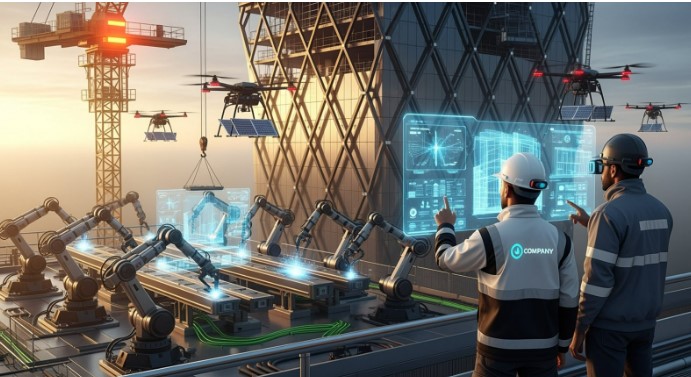
As we move into 2025, commercial construction is experiencing major changes. Old methods are quickly being replaced with new, smart solutions. The real question is how much these changes will reshape the way we build. New technologies and a stronger focus on sustainability are setting the stage for big improvements.
Companies that welcome these trends will likely succeed, especially when addressing needs like concrete repair in New York, showing how traditional construction meets new advancements. The future of commercial construction is being shaped by economic trends, shifting client needs, and a wave of new technologies that promise to make building more efficient and environmentally friendly than ever.
While growth is slow in some areas, experts believe things will pick up later in the year. This change requires companies to adjust quickly and watch for new chances to grow.
What Will Shape Commercial Construction in 2025?
Commercial construction’s future in 2025 will be shaped by several strong influences. Building isn’t just about putting up new structures anymore; now it’s about making smart, sustainable spaces that suit today’s businesses and communities. Economic changes, new laws, and growing client demand for smarter and greener projects are pushing this shift.
Digital technology is sparking major changes across the industry, affecting everything from planning to completion. The goal is to make building safer, faster, and better organized. Advanced tools like AI, the Internet of Things (IoT), and digital twins are now central to how new projects are planned and built.
Main Economic and Regulatory Influences in 2025
The economic climate in 2025 is mixed. While the U.S. economy is growing a little, the construction market has slowed compared to the busy pace of 2024, with total construction down 13% from last year. This means companies are more careful with new projects.
New tariffs on steel and aluminum have caused prices for building materials, like rebar, to jump by more than 26%. This forces companies to budget for higher material costs, and changing immigration laws are making the industry’s labor shortage worse. These challenges mean construction companies must be more flexible and plan more carefully than before.
Changing Client and Market Needs
Client demands are changing fast. There’s more interest than ever in smart buildings with advanced technology, not just for efficiency, but also for health and flexibility. Clients want workspaces that can adjust to new ways of working and living.
Sustainability is now a must. Clients are prioritizing eco-friendly materials, energy-saving designs, and even net-zero buildings. This is about more than just meeting regulations-clients expect it. Health concerns are also shaping designs, with more demand for good ventilation, natural light, and designs that connect people with nature.
Carnegie Rental offers reliable cherry picker hire for maintenance, construction, and access work. Well-maintained equipment, flexible hire terms, and fast Melbourne-wide service.
Which Projects and Markets Will Grow in 2025?
Even with challenges in the overall market, certain types of projects are growing and offer the most promise for 2025. Companies are moving their investments into areas that fit today’s trends and needs.
Public spending, especially on infrastructure and large government-backed projects, is fueling a lot of activity. Major projects-those valued at $1 billion or more-are especially active, with about $120 billion planned across North America.
Leading Sectors: Data Centers, Warehouses, and Healthcare
- Data Centers: Planning is up 23%, reflecting the need for more digital infrastructure.
- Warehouses: While there’s overbuilding in some regions, online shopping keeps demand strong.
- Healthcare: New, smaller health centers are being built to serve aging populations more locally.
All of these sectors are focusing on sustainable practices, which affects the demand for materials and pushes innovation in building methods.
Changing Trends in Office, Retail, and Residential Spaces
Traditional offices and retail spaces aren’t doing as well. Office spending may look higher, but much of that is because data centers are counted as offices. Real office construction is expected to drop as remote work becomes more common. Retail planning is also down as online shopping reduces demand for storefronts.
In residential construction, new single-family homes have slowed due to high costs and labor uncertainty. Apartment building permits are up a little, but overall, developers are being cautious and focusing on projects that can handle changing market conditions.
What New Technologies Will Change Commercial Construction in 2025?
Technology is driving big changes in commercial construction for 2025. A field slow to adopt new ideas is now quickly adding digital tools and high-tech solutions. This is changing every step of construction, from design to completion and maintenance.
Companies want to make building safer, quicker, and more productive, while also controlling costs. Investment in construction technology (“Contech”) is growing fast, as tech offers answers to workforce shortages, rising costs, and environmental needs.
AI and Machine Learning in Building
Artificial intelligence (AI) and machine learning (ML) are changing how projects are planned and managed. Generative AI makes it easier to create new building designs quickly, offering many choices in less time. This not only helps with design and sustainability but also limits mistakes and speeds up projects. Construction spending on AI is growing, with the software market set to reach over $250 billion in 2025.
AI also helps in predicting delays, managing resources, and tracking progress, making decision-making faster and more reliable.
BIM: Building Information Modeling
Building Information Modeling (BIM) is now standard in many companies. BIM provides a full digital model of a building, including all systems and materials, letting all team members work together to spot problems before building starts. This reduces mistakes, saves time, and lowers costs. BIM also improves data management and communication across all teams.
3D Printing and Automation
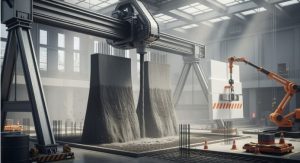
3D printing is now used in building, not just as a theory but in real projects. It can create unique shapes and custom parts with less waste and cost. This can make everything from small parts to whole buildings more quickly and with less impact on the environment. Automation and robots also make repetitive and risky jobs easier, improving safety and freeing workers for skilled tasks.
 Modular and Prefabricated Building Methods
Modular and prefabricated construction is becoming more popular, allowing parts of buildings to be made in factories and then assembled on site. This cuts down on waste and speeds up the building process. These methods are especially important for projects where speed is critical, like data centers. In 2025, modular building has reached a 14% market share, more than double from two years prior.
Smart Construction and Digital Twins
Smart construction uses digital tools to improve teamwork, cut costs, and deliver projects more smoothly. Digital twins-virtual copies of real buildings-let companies monitor performance in real time, which helps with maintenance and efficiency. Wearables and IoT devices are also important for tracking site safety and collecting valuable data for better management.
Construction Robotics
Robots are being used to speed up building processes and improve accuracy. This is especially helpful given the shortage of skilled workers. For example, autonomous vehicles capture and process images to create accurate 3D models of sites. These tools make work faster and safer, while freeing up workers for more specialized tasks.
How Will Sustainability and Green Building Change Construction in 2025?
Sustainability is now a key part of construction, not an afterthought. Buildings account for a lot of global CO2 emissions, so there’s strong pressure to make projects more environmentally friendly. Both regulations and clients are pushing for lower emissions and smarter resource use in every stage of building.
Net-Zero and Low-Carbon Buildings
In 2025, there’s more focus on net-zero and low-carbon buildings-structures that use as much or less energy than they create. This includes energy-saving designs and materials. Features like bioclimatic design, which uses nature to help control temperature, are becoming more common. Data centers and healthcare buildings are leading the way, often setting higher standards for efficiency.
Sustainable Materials and Methods
Builders are turning to recycled and renewable materials, such as recycled concrete, steel, bamboo, and hemp. Smart materials that can change with the environment are also improving quality and energy use. New building methods, like 3D printing and modular approaches, help further cut waste and support the use of greener materials.
Reusing and Recycling: The Circular Economy
Construction in 2025 is moving towards reusing and recycling materials, with buildings designed so their parts can be used again. This approach means less waste and reduced costs, and more buildings are including plans for disassembly at the end of their use. Companies are getting better at reclaiming materials like concrete and timber, which also saves money.
What Will Happen with Construction Labor in 2025?
The labor situation stays challenging. There aren’t enough trained workers to meet demand, partly because the workforce is aging and younger workers aren’t joining in large numbers. Despite economic concerns, construction companies are keeping their employees, showing how hard it is to replace skilled talent.
Labor Shortages and Skills Gaps
Finding experienced workers remains a problem. Even with wages about 19% higher than average, companies struggle to hire. The demand for technical skills is rising as technology use grows, but the supply of trained workers isn’t keeping up.
Diversity, Equity, and Inclusion
Construction firms are working harder to have diverse teams and more inclusive workplaces. Bringing in talent from different backgrounds can improve problem-solving and workplace culture, which is important as companies try to attract new workers.
Workforce Development and Training
There’s more investment in training, especially in digital tools like BIM and robotics. These programs are important for helping workers stay current and for keeping them engaged. Ongoing learning is now key to keeping a capable team and making sure projects succeed with modern technology.
Worker Health and Safety
Worker health and safety are a bigger focus in 2025. Wearable tech and IoT devices help monitor safety in real time and spot hazards early. Mental health is also taken more seriously, with companies working harder to create positive environments. This helps productivity and job satisfaction.
What Problems and Risks Will Construction Face in 2025?
Even with growth and new tech, commercial construction has its challenges. Risks include economic uncertainty, supply chain problems, fluctuating prices, and more. How well companies handle these will affect how well they do.
The chance of a recession has gone up this year, and with only small signs of growth, companies need to be cautious and flexible.
Supply Chain Problems and Price Fluctuations
Supply chain issues persist, especially after new tariffs on steel and aluminum caused big price jumps. For example, rebar rose 26% in February 2025 and lead times on materials are very long. Developers must plan for more expensive and delayed materials, and many companies have excess inventory waiting for delayed projects. Natural disasters have made things worse, causing more delays and raising costs.
| Issue | Impact |
| Tariffs on steel/aluminum | Material costs up; supply chain stressed |
| Long lead times | Projects delayed; increased cancellations |
| Natural disasters | Extra pressures on supply and prices |
Tariffs, Trade Policies, and Global Uncertainty
Changing government policies, such as 25% tariffs on steel and aluminum, can have a major, fast impact on construction costs. Extra tariffs on imports from key countries could again push up costs and disrupt access to vital materials. This makes prices unpredictable and can slow projects down.
Cybersecurity and Data Protection Threats
More digital tools mean more risk of cyberattacks. Sensitive project data and designs need strong protection against hacking and ransomware, which could cause expensive delays and harm reputations. Companies now must invest more in keeping data safe with secure systems, staff training, and following strict security standards.
Preventing Project Overruns and Delays
To avoid going over budget or missing deadlines, companies are taking early and active steps. Many localize their supply chains and prefer local materials to cut lead times. Contracts are changing to handle price changes, and more integrated project models are common, spreading risks across partners. Digital tools help estimate costs and manage resources, which is essential for keeping projects on track.
What Key Strategies Are Needed for Success in 2025?
To do well in 2025, construction companies need to balance quick, efficient operations with long-term planning. They must react to changing technology, regulations, and client needs while staying open to teamwork and new strategies.
Updating Business Models for Modern Clients
Success in 2025 means moving beyond just building to offering complete solutions around technology, sustainability, and occupant wellness. Companies that use AI, digital twins, and green methods-and offer services for building upkeep and smart space management-will build stronger relationships and win more business.
Building for Resilience
Projects must be strong enough to handle tough weather and unexpected disruptions. This means using durable materials, local supply chains, flexible contracts, and modular designs. The goal is to keep projects going and assets safe, even in uncertain times.
Collaborative Project Delivery
Working closely with partners from the start, using models like Integrated Project Delivery (IPD) and BIM, leads to better results. This teamwork means everyone shares information, spots problems early, and shares both the risks and rewards. By breaking down barriers between teams, projects can be completed faster and on budget with better quality.
