
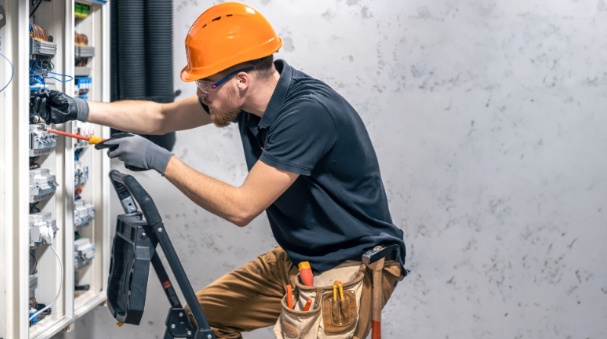
Renovating your office or home can be fun and exciting; however, electrical safety should be the utmost priority. In Canada, each year, electrical fires and injuries happen, and heavy costs are incurred due to neglecting the aspect of electrical safety during renovation work.
The Hidden Dangers of Renovation Electrical Work
Most people are not knowledgeable about the dangers that come with electrical work during renovations. A defective wiring system, overloading of circuits, and incorrect installation are all very real and serious consequences that can harm you and your family, so it’s important to Get Help Meeting ESA Field Evaluation Requirements to ensure safety and compliance.
Some of the usual electrical dangers while renovating:
- Old wires that are not up to today’s electrical needs
- Water and electricity mixing in bathrooms and kitchens
- Overloaded circuits through new appliances and machinery
- Incorrect electrical do-it-yourself work
- Electric wiring behind walls that is damaged
These risks are real and can happen at any time. Luckily, the great majority of electrical mishaps related to renovations can be prevented with planning and professional guidance.
Why Canadian Building Codes Matter
Canadian electrical standards and safety codes are solid for good reasons. They save lives and prevent electrical fires, electrical shock, and other hazards.
Chief Canadian electrical safety standards:
- All electrical work meets Canadian Electrical Code requirements
- Professional electricians perform important electrical work
- All repair work requires electrical permits
- Inspections ensure work is performed to safety standards
- Inspections verify work is safe
- Ground fault circuit interrupters (GFCIs) are needed in wet areas
Compliance with these codes isn’t a matter of simply obeying the law – it’s a matter of protecting you and your family. Insurance providers demand code-compliant work as well, so it will pay you down the road if you cheat.
Safety Precautions When Renovation Starts
Once your renovation is underway, following simple safety precautions can prevent accidents and injury.
Use proper protective gear:
- Use rubber-soled footwear when working with electricity
- Use insulated tools made for electrical work
- Keep a fire extinguisher handy
- Have a first aid kit handy
- Use proper lighting so you can see what you’re doing
Don’t work alone:
Have someone close by when performing renovation work near electrical systems. They can assist in an emergency and call for assistance if necessary.
When to Call a Professional Electrician
Certain electrical work needs professional attention, and attempting to do it yourself can be unsafe and against the law in Canada.
Always hire a pro for:
- Adding new circuits or electrical panels
- Increasing the electrical service to your home or business
- Adding outlets where it’s wet, e.g., bathrooms
- Any job that requires an electrical permit
- Fixing electrical problems you do not understand
You can probably do it yourself (with the right permits):
- Changing light fixtures (but not adding new circuits)
- Adding some types of outlets to existing circuits
- Routine stuff, like changing outlet faceplates
- In case of doubt, call a professional. It is far cheaper to hire an electrician than it is to repair electrical errors or address fire damage.
Kitchen and Bathroom Safety Tips
Bathrooms and kitchens require particular care during remodeling due to the interaction of electricity and water.
Kitchen electrical safety:
- Install GFCI outlets around sinks and water sources
- Provide sufficient circuits for handling contemporary appliances
- Position electrical outlets away from water sources
- Use proper lighting over work areas
- Install specialized circuits for large appliances
Bathroom electrical safety:
- All the receptacles must be GFCI-protected
- Receptacles should be placed a distance from showers and tubs
- Proper ventilation must be installed to monitor humidity
- Moisture-resistant electrical parts must be utilized
- Minimum distance must be kept from sources of water
These rooms are most susceptible to electrical accidents; thus, special care and professional help are required.
Commercial and Warehouse Renovation Safety
Commercial renovations also possess additional safety requirements and concerns that homeowners do not have.
Special requirements in commercial settings:
- Higher electrical loads and three-phase power systems
- More safety requirements and building codes
- Specialized electrical equipment and system requirements
- Safety and responsibility concerns for employees
- Ongoing business activity during renovation
Special warehouse factors:
Warehouse renovations frequently involve heavy equipment, high voltage, and complicated electrical systems. The electrical works must be performed by certified persons with knowledge of industrial electrical specifications.
For warehouse and industrial work, one needs to Get Help Meeting ESA Field Evaluation Requirements. The Electrical Safety Authority, or ESA, has standards for industrial and commercial electrical installations that must be satisfied.
ESA standards typically are:
- Pre-work authorization for electrical permits
- Work carried out by licensed electrical contractors
- Inspection at various stages of the job
- Final approval before energizing new electrical systems
- Documentation of all completed work involving electricity
Having competent electrical contractors familiar with ESA codes ensures your warehouse renovation meets all safety codes and passes obligatory inspections.
The Cost of Cutting Corners
Others try to save money by skipping electric safety measures, but this effectively always costs more down the road.
Concealed costs of substandard electrical work:
- Fire damage to your building
- Insurance claims rejected
- Redoing work to meet code requirements
- Delays in renovating your property
- Possible injury or death
Benefits of getting electrical work done properly:
- A sense of peace knowing your family is safe
- Insurance coverage in the event that something does go wrong
- Increased property value as a result of proper electrical renovations
- Working electrical systems that operate efficiently
- No delay or rework due to failed inspections
The small amount of money you might save by cutting corners isn’t worth the massive dangers you are putting yourself through.
Hiring Licensed Professionals
Choosing a proper electrical contractor is key to having a successful and safe renovation experience.
What to anticipate from an electrician contractor:
- Proper licensing of electrical work in your province
- Insurance for their labor
- Good referrals from recent clients
- Knowledge of current electrical codes and regulations
- Willingness to obtain proper permits and inspections
What to ask potential contractors:
- Are you duly licensed to conduct electrical work in this province?
- Do you carry liability insurance?
- Will you obtain the proper permits?
- Can you provide references for recent clients?
- How long will it take to complete the work?
Don’t try to get the cheapest quote. A qualified contractor will cost you more now, but will pay dividends and save you money and headaches later.
Protecting Safety After Renovation
Electrical safety doesn’t end when your renovation is complete. Periodic maintenance and inspection avoid future problems.
Safety after renovation:
- Check GFCI outlets monthly to ensure they are working
- Be aware of any indication of electrical problems, including flickering lights
- Make electrical panels clean and clear
- Schedule regular electric check-ups
- Replace electrical work as your needs change
Warning signs of electrical problems to watch out for:
- Dancing or dimming lights when appliances turn on
- Sparky or hot outlets
- Constant tripping of circuit breakers
- Burning smells near electrical equipment
- Low electrical shocks from appliances or switches
Should you notice any of these warning signs, contact an electrician ASAP.
Creating a Culture of Safety
Keep electrical safety at the top of your mind throughout your renovation and not as an afterthought.
Tips for family safety:
- Train children to stay away from renovation areas
- Keep pets away from venturing near exposed electrical wiring
- Post warning signs on electrical hazards
- Have emergency contact information readily available
Get trained in how to turn off the main electrical supply in case of an emergency
Document your electrical work:
Keep a record of whatever electrical work you’ve done in your renovation. This includes permits, inspection certificates, and contractor information. You will need these records in the event of insurance claims and additional electrical work.
Conclusion
Electric safety must always go first while working on renovations. Whether it is a small renovation in a couple of rooms or the entire building, your electrical planning and savvy advice can prevent tragedies, save costs, and alleviate burdens.
Please remember that there are safety codes and electrical codes intended for your protection and that of your family. Remaining within the bounds of these codes and authority contracts is not the law; it is just what one should do.
Do not let a dazzling, hazardous electrical situation put to death your dream remodeling project. Make it a point to build in electrical safety into the design right from day one, employ an electrician, and abide by the codes and laws that govern such works. Doing it right grows your home’s value, too, indeed.
