
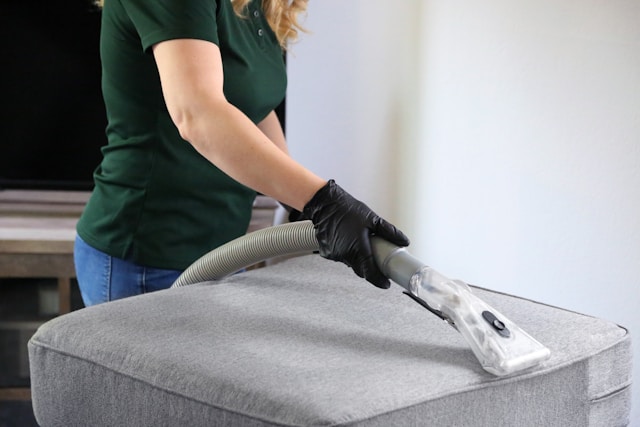
Daily schedules might feel crowded, and home care can seem like a task that stays in the background while other things take priority. In many cases, you could use small actions that fit around existing routines and still produce steady results. The ideas here are simple and may work for different living spaces. While outcomes vary, consistent effort usually supports better order, and basic structure could keep maintenance from becoming stressful later.
Build tiny habits into regular movement
Performing little tasks while going between rooms can make regular upkeep easier and more consistent. You can wipe a surface after use. As you proceed to another room, you may find some misplaced items. As you leave, you may notice a switch or knob that needs repair. The steps are interrelated and can reduce accumulation. Shorter cleaning sessions are easier to handle. The approach remains flexible and depends on traffic patterns at home, since it follows your paths, and it adapts to different schedules without requiring extra blocks of time that are hard to reserve.
Tackle one micro zone at a time
Focusing attention on a small, clearly defined area makes progress visible and easier to finish without long sessions. A micro zone could be part of a shelf, a narrow entry spot, or a single countertop corner, and you decide the scope so it fits a busy day. When this is repeated on alternating days, the method often spreads order outward into nearby areas, since items naturally flow to where they belong. There is less decision fatigue because the boundary is known in advance, and the same pattern can be reused across rooms. Even when interruptions occur, a small section is usually completed, which preserves momentum and prevents stalled work.
Set plain reminders to limit pileups
Simple reminders can keep cyclical tasks from drifting out of view when days feel packed and priorities keep changing. Notes on a calendar, a weekly phone alert, or a visible checklist may prompt actions that are easy to forget, such as quick filter checks or brief bin emptying. The reminders do not need complex detail, because the goal is a nudge that arrives at the right moment. Consistency usually matters more than precision, and spacing the prompts evenly avoids alert fatigue. When reminders are predictable, minor jobs happen before they expand, which reduces emergency cleaning and last-minute stress. Over time, the list can be trimmed to only what still gets missed.
Keep tools where they will be used most
Positioning items close to their use points removes extra steps and encourages fast responses to minor issues. Supplies for wiping, basic hand tools, and small trash bags can sit near the zones they serve, which lowers barriers to action when a mess appears. This placement is practical and may change as you observe patterns, since the goal is simple access that supports quick wins. Fewer trips across rooms also lowers the chance that tasks are abandoned halfway. Storage can remain modest and neat by using small containers or hooks. Because this approach depends on how your space is arranged, it is adjusted gradually rather than redesigned all at once.
Manage dampness and growth risks early
Moisture control acts as a quiet preventive measure that influences cleaning load and surface longevity. Before damage spreads, red thread fungus may indicate outdoor lawn stress and suggest watering and feeding adjustments. Maintaining ventilation, drying after showers, and wiping away cooking moisture can help avoid undesirable growth that may become harder to maintain. Small places near windows, under sinks, and behind appliances might reveal changes early. Repairs are easier when you notice them early. Because conditions vary by season and ventilation, reviews are scheduled periodically. The objective is to lower the chance of hidden problems that escalate into bigger repairs.
Replace small parts slightly before failure
Swapping consumable parts a bit earlier than their absolute end tends to prevent surprise stoppages that derail a day. Batteries, basic filters, and common bulbs often follow predictable life cycles, so a modest buffer can keep routines steady. This practice might feel premature, yet the tradeoff usually favors continuity and lower stress. A simple note on approximate replacement windows will serve, and leftovers can be stored safely for the next cycle. When components are regularly refreshed, performance stays stable and emergency runs become rare. The habit does not require expensive stocking, only a small reserve for items that fail frequently, which reduces downtime and avoids rash decisions.
Use multipurpose gear to simplify decisions
Relying on a few versatile tools can shrink storage needs and shorten preparation time for everyday cleaning. A durable cloth that handles various surfaces, a basic brush that covers corners and edges, and a general cleaner approved for multiple materials often address common situations. This setup reduces product switching, which keeps attention on the task rather than the selection. You could still keep a specialty item for unusual residues, yet it is reserved for exceptions. Because fewer supplies are tracked and refilled, the routine becomes repeatable and quicker to start. The result is a simple kit that usually fits small spaces and supports consistent, low-friction maintenance.
Conclusion
Practical routines for home care can be shaped to fit crowded days, and small choices often add up when they are repeated with modest consistency. You might keep actions close to where they occur, refresh parts before they quit, and reserve a brief weekly pass that catches leftovers. Results vary with space and schedules, yet a light structure typically supports calm progress. A short list, kept realistic, is the recommended way to maintain steady upkeep.
