
Make the most of CDMX: must see attractions in Mexico City for first-timers
If you’re mapping out must-see attractions in Mexico City, you’re in for a city that layers ancient history, bold architecture, and everyday street culture into the same afternoon. The best way to enjoy CDMX is to balance a few headline sights with time to wander neighborhoods, eat well, and absorb the pace of the capital.
Shutterstock
Getting here is typically easy from major U.S. hubs, and you’ll find plenty of flights to Mexico City with arrival times that work for either a long weekend or a full week. Once you land, a smart plan is to cluster attractions by area so you’re not spending half your trip in traffic.
Below are standout picks that mix major icons with local favorites—some are within the city, others are classic day trips.
Teotihuacán: ancient pyramids beyond the city
Teotihuacán is the big day trip that earns its reputation. About an hour outside the city, it’s one of the most impressive archaeological sites in the Americas, with the Pyramid of the Sun and Pyramid of the Moon rising over the Avenue of the Dead.
Arrive early for cooler temperatures and lighter crowds, and bring sun protection—shade is limited. If you want context beyond the photo ops, hire a licensed guide or use the on-site museum to understand what’s known (and still unknown) about the civilization that built it.
Museo Frida Kahlo: the Blue House in Coyoacán
The Casa Azul is a deeply personal museum: Frida Kahlo’s home, studio, and daily life preserved in intimate detail. Expect a focused visit—her clothing, letters, medical devices, and courtyard spaces do more to explain her story than any wall label can.
Book timed tickets ahead, then stay in Coyoacán after. The plazas and markets nearby are part of the appeal, and they make a great low-pressure afternoon.
Palacio de Bellas Artes: murals, performances, and architecture
Bellas Artes is both a landmark and a working cultural venue. Inside you’ll find major murals (including works by Diego Rivera) and one of the city’s most dramatic interiors.
If you can, pair a daytime visit with an evening performance (ballet, opera, or symphony). It’s one of the most memorable ways to experience the city’s arts scene in context.
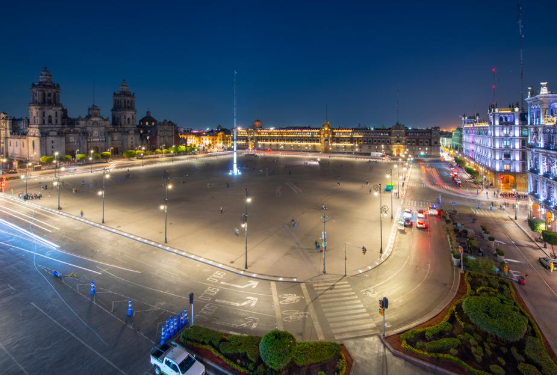
Centro Histórico: the Zócalo, temples, and colonial streets
This is where the city’s layers are most obvious: Aztec ruins beside colonial cathedrals beside modern street life. Many of the mexico city landmarks for tourists are concentrated here, which makes it a high-impact area to explore on foot.
Key stops that fit easily into one route:
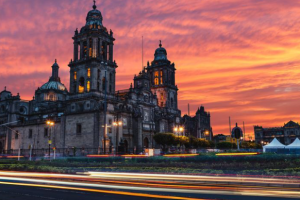
- Zócalo and the Metropolitan Cathedral
- National Palace murals (check entry rules and hours)
- Templo Mayor ruins and museum
- Palacio Postal and nearby historic streets.
Go earlier in the day for a calmer experience and easier museum entry, then return later for the evening buzz.
Chapultepec: the park that can fill an entire day
Chapultepec is one of the best big-city parks in the world, and it’s also a museum hub. You can spend a full day here without repeating a single experience.
What to prioritize in Chapultepec
Start with the National Museum of Anthropology if you want the strongest overview of pre-Hispanic Mexico in one place. Then choose either Chapultepec Castle for city views and history, or the lakes and gardens if you prefer a slower pace.
This area is one of the most essential cultural attractions in mexico city, especially if you’re traveling with mixed interests (history lovers, art fans, and families can all win here).
Xochimilco: canals, music, and floating markets energy
Xochimilco is festive, messy, and very CDMX—colorful boats, live music, snacks, and a party atmosphere (especially on weekends). You can choose a lively pier for the classic experience or a more nature-focused option for a calmer ride.
How to enjoy Xochimilco without guesswork
- Bring cash for the boat rental, snacks, and music
- Go earlier if you want a quieter canal vibe
- Visit with a group if possible (it’s often better value per person).
It’s also a living reminder of the city’s past landscapes—one of the more unusual historic sites of the capital when you think about what the Valley of Mexico looked like centuries ago.
Roma and Condesa: parks, cafés, and contemporary CDMX
If you want the city’s modern rhythm—coffee, galleries, leafy streets, and late-night dining—Roma and Condesa deliver. The architecture is part of the draw, but what makes these neighborhoods worth your time is how walkable they are.
They’re also perfect for travelers who want top places to visit in CDMX that aren’t all ticketed attractions: you can build a full day around parks, bakeries, small museums, and a long lunch.
Paseo de la Reforma and the Angel of Independence
Reforma is the city’s grand boulevard: modern towers, monuments, and an easy route between key neighborhoods. The Angel of Independence is the famous photo stop, but the real fun is walking or biking segments of the avenue and dipping into nearby museums, cafés, and parks.
Practical tips for seeing more in less time
CDMX is huge, so planning by neighborhood is the biggest time-saver.
A few tactics that help:
- Use the metro for direct routes, and rideshares for late-night trips or point-to-point convenience
- Avoid rush-hour transfers when possible (traffic is real)
- Keep Mondays in mind: many museums close that day
- Pace yourself on day one—altitude and dry air can sneak up on visitors.
Build your itinerary around what you love
The best trips here aren’t about checking every box—they’re about pairing a few “wow” moments with time to explore at street level. If you focus on neighborhoods, day-trip timing, and smart routing, the must-see attractions in Mexico City will feel exciting instead of exhausting—and you’ll leave with both iconic photos and the kind of memories that come from slowing down in the right places.
