
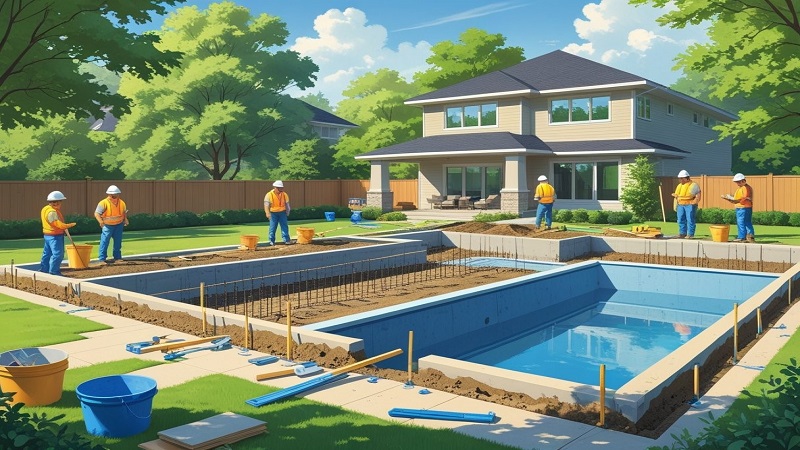
Building a swimming pool is an exciting home improvement project that can transform your backyard into a personal oasis. However, the construction process involves numerous decisions and potential pitfalls that can lead to costly mistakes and disappointment. Many homeowners rush into pool construction without proper planning, resulting in design flaws, budget overruns, and maintenance headaches.
Avoiding common mistakes during new pool construction can save you thousands of dollars and ensure your investment provides enjoyment for years to come. From selecting the wrong contractor to overlooking important design considerations, the errors made during the initial building phase can have long-lasting consequences that are difficult to correct later.
Pool construction experts recommend thorough research and planning before breaking ground on your new aquatic retreat. Understanding local building codes, considering your property’s topography, and establishing a realistic budget are essential steps that should never be skipped. The difference between a successful pool project and a problematic one often comes down to the preparation done before construction even begins.
Critical Planning and Design Missteps to Avoid
The foundation of a successful pool installation begins with thorough planning and thoughtful design. Many homeowners rush through these crucial early stages, resulting in costly mistakes that can compromise both functionality and aesthetics.
Inadequate Site Preparation
Proper site preparation serves as the literal foundation for your pool project. Skipping or rushing this step often leads to structural problems that may not become apparent until months or years later.
Before excavation begins, ensure your contractor conducts a thorough site analysis. This includes checking for underground utilities, irrigation systems, and any potential obstacles.
Removing vegetation, rocks, and debris completely from the construction area prevents future complications. Plants left too close to the excavation area can have root systems that eventually damage pool walls.
Many pool builders recommend extending the cleared area at least 3-5 feet beyond the planned pool perimeter to allow proper workspace. This extra clearance helps contractors maneuver equipment efficiently and reduces the risk of damage to surrounding landscape features.
Ignoring Soil Conditions and Drainage
Soil composition directly impacts your pool’s structural integrity. Clay, sandy, or rocky soils each present unique challenges that must be addressed during planning.
A professional soil test should be conducted to determine stability and drainage characteristics. Expansive clay soils, for example, swell when wet and shrink when dry, potentially causing pool walls to crack or shift.
Proper drainage planning prevents water accumulation around your pool. Without adequate drainage, you risk erosion of supporting soil, damage to the pool structure, and unwanted water pooling in your yard.
Consider installing French drains or other water management systems if your property has natural low points. The pool deck should have a slight slope (typically 1/4 inch per foot) away from the pool to direct rainwater and splashout toward drainage areas.
Skipping Proper Pool Design and Aesthetics
A well-designed pool seamlessly integrates with your existing landscape and home architecture. Rushing through design decisions often results in a pool that feels disconnected from its surroundings.
Consider how the pool will be used before finalizing dimensions and features. A family with children needs different features than adults seeking a lap pool or therapeutic space.
Pay attention to scale and proportion. An oversized pool can overwhelm a small yard, while a tiny pool might look out of place in a spacious landscape.
Material selection impacts both aesthetics and maintenance requirements. Options include:
- Tile: Durable but more expensive
- Plaster: Traditional but requires more maintenance
- Aggregate finishes: Offers texture and unique appearance
Include proper lighting in your design plan to enhance safety and create ambiance for evening enjoyment.
Choosing the Wrong Location
Pool placement affects everything from usage patterns to maintenance costs. The ideal location balances practicality, aesthetics, and safety considerations.
Sun exposure is crucial—most homeowners prefer pools that receive at least 6 hours of direct sunlight daily to maintain comfortable water temperatures. Consider seasonal sun patterns when positioning your pool.
Keep the pool visible from main living areas for safety monitoring, especially with children. However, balance this with privacy needs from neighbors and street views.
Account for local building codes and setback requirements that dictate minimum distances from property lines, septic systems, and structures. Ignoring these regulations can result in costly modifications or legal issues.
Consider proximity to trees—while shade can be desirable, falling leaves and root systems create maintenance challenges and potential structural problems.
Common Construction and Budget Pitfalls
Building a swimming pool involves numerous complex decisions and potential challenges that can derail both your timeline and budget. Many homeowners face unexpected issues that could have been avoided with proper planning and awareness.
Underestimating the Budget and Hidden Expenses
Pool construction costs frequently exceed initial estimates by 10-30%. This happens because many homeowners focus solely on the base price without considering essential additions.
Hidden expenses often include excavation complications, upgraded materials, and necessary landscape restoration. For example, hitting rock or water during excavation can add thousands to your project cost.
Electrical work represents another commonly underestimated expense. Running proper lines for pumps, heaters, and lighting requires professional installation that meets safety codes.
Smart budgeting should include a 15-20% contingency fund for unexpected issues. Ask your pool builder for a detailed breakdown of all potential costs, including:
- Permit fees
- Soil testing
- Fencing requirements
- Decking materials
- Water features
- Heating systems
- Chemical startup kits
Neglecting Permits and Compliance With Local Building Codes
Failing to secure proper permits can result in construction delays, fines, or even removal of completed work. Most municipalities require specific approvals before pool construction begins.
Local building codes govern crucial safety elements including:
- Minimum fence heights (typically 4-6 feet)
- Self-closing gate requirements
- Distance from property lines
- Electrical safety standards
- Drainage specifications
Homeowners who rush this process often face costly modifications later. Your pool contractor should help navigate the permitting process, but ultimately, compliance remains the homeowner’s responsibility.
Some neighborhoods have HOA restrictions that may limit pool size, style, or location. These requirements exist alongside municipal codes and must be addressed before breaking ground.
Low-Quality Workmanship and Poor Communication
Selecting a reputable pool builder represents your most important decision. Low bids often indicate corners will be cut, resulting in structural issues, equipment failures, or finishing problems.
Research potential contractors thoroughly by:
- Checking professional credentials and licenses
- Reading customer reviews across multiple platforms
- Viewing completed projects in person
- Contacting references directly
- Verifying insurance coverage
Poor communication during the pool construction process leads to misunderstandings and disappointment. Establish regular update meetings and request progress photos throughout construction.
Get all promises in writing, including construction timelines, material specifications, and warranty details. Verbal agreements rarely provide protection when disputes arise.
Overlooking Maintenance Requirements and Long-Term Care
Many new pool owners underestimate the commitment required for proper pool maintenance. Systems need regular attention to operate efficiently and prevent costly repairs.
Pool maintenance basics include:
- Weekly water testing and chemical balancing
- Regular skimming and vacuuming
- Filter cleaning and backwashing
- Equipment checks and servicing
Annual maintenance costs typically range from $1,200-$3,000 depending on pool size, equipment complexity, and local climate. These expenses should factor into your initial decision-making process.
Ask your pool builder to provide detailed maintenance instructions and a demonstration of all systems before final payment. Consider scheduling professional service for the first season while you learn proper care techniques.
Energy-efficient equipment may cost more initially but can reduce long-term operational expenses by 20-40%. These options deserve serious consideration during the planning phase.
