
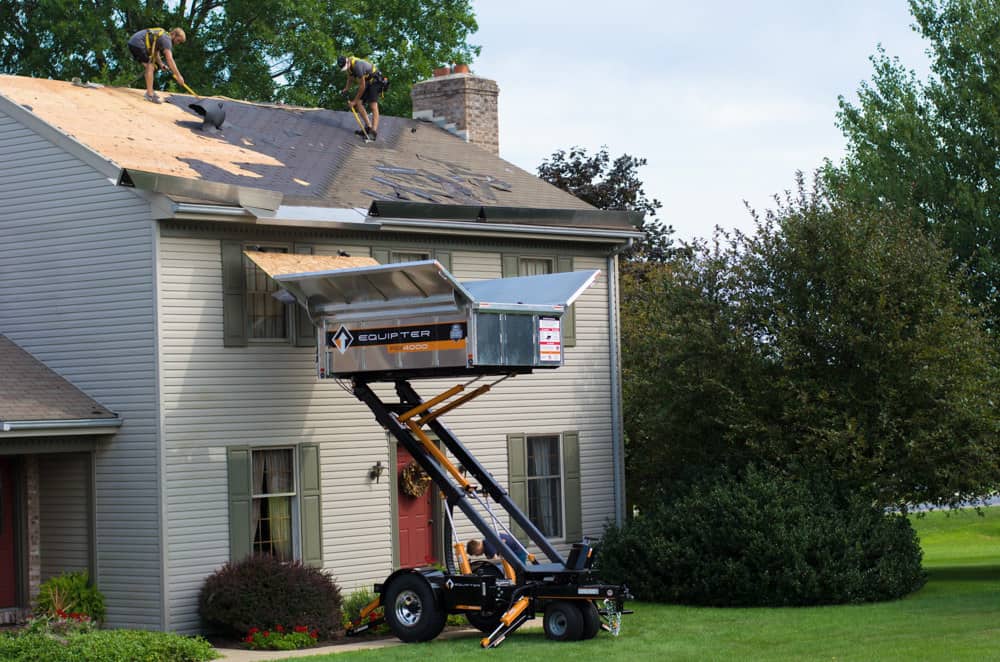
Home additions are among the most exciting ways to transform a house. Whether you’re adding a second story, expanding a living room, or creating a vaulted ceiling, these projects can turn a modest home into something extraordinary. But behind the new square footage and stylish finishes lies a critical process that most homeowners never see: the use of rigging and lifting equipment.
Without proper rigging gear, many of the structural elements involved in roof and upper-level construction would be nearly impossible to handle safely. Let’s take a closer look at how rigging supports the process, step by step, and why it’s such an essential part of home additions.
Incorporating advanced rigging equipment not only facilitates the structural expansion of homes but also ensures the safety and efficiency of the process. As homeowners consider various roofing options for their additions, understanding the benefits of different materials becomes crucial. For those exploring modern roofing solutions, TPO roof systems offer durability and energy efficiency, making them a popular choice. For a deeper dive into the advantages and considerations of TPO roofing, check out this recommended reading to enhance your knowledge and make informed decisions for your home addition projects.
The Challenge of Lifting Heavy Materials
When adding to a home, contractors handle oversized materials like roof trusses, steel beams, prefabricated wall panels, or large windows. These pieces can weigh hundreds of pounds, and because of their size, they’re awkward and dangerous to move without help.
Manual lifting simply isn’t practical or safe. That’s where rigging equipment, including hoists, lifting slings, spreader bars, and lifting hooks, comes into play. These tools enable crews to move heavy objects with accuracy, ensuring proper positioning without risking workers’ safety.
Rigging for Roof Structures
One of the biggest challenges in home additions is lifting and securing roof components. Prefabricated trusses, in particular, are heavy and need to be raised high into the air. Rigging equipment enables contractors to:
- Lift Safely: Use chain hoists or portable cranes to raise trusses and hold them in place without putting strain on workers.
- Position Precisely: Spreader bars maintain load balance, preventing trusses from tipping or twisting during the lift.
- Securely Accurate: Rigging slings ensure that once a truss or beam is lifted, it remains stable until permanently fastened.
By combining these tools, contractors can tackle roof structures with a level of accuracy that manual labor alone cannot achieve.
Expanding Living Spaces with Rigging Support
Rigging isn’t just for roofing. Home additions often need large openings for new living areas, which require heavy headers and support beams. These beams are vital to the structure of the home and must be installed with complete accuracy.
Rigging equipment ensures beams are hoisted, moved, and secured exactly where needed, reducing the risk of dropped materials or worker injuries. This level of control saves time and helps prevent costly mistakes during installation.
Handling Specialized Features
Modern additions often feature heavy or delicate elements, such as:
- Skylights and solar panels that need to be carefully lifted onto the roof to avoid damage.
- Stone or brickwork used for chimneys or fireplaces that requires careful placement.
- Large glass panels or windows that are too fragile to be lifted manually.
With the right mix of slings, hooks, and hoists, rigging enables these materials to be placed safely and without harm, providing homeowners with the custom features they desire without the risk.
Why Rigging Improves Safety and Efficiency
Rigging equipment not only makes construction possible but also improves it. Here’s why:
- Protects Workers: Eliminates the need for manual heavy lifting, reducing the risk of injuries like strains or falls.
- Prevents Property Damage: Properly rigged loads won’t slip or crash into finished areas of the home.
- Speeds Up Timelines: Quickly lifting and securing heavy components helps keep the project on schedule.
- Increases Precision: Controlled lifts ensure that everything from beams to trusses is aligned correctly the first time.
This combination of safety and efficiency benefits everyone; the contractors on site and the homeowners waiting to enjoy their new space.
Choosing the Right Rigging Setup
Not every addition requires the same equipment. Smaller projects might only need a chain hoist and a set of slings, while larger second-story additions could require lifting beams, spreader bars, and portable cranes. The key is matching the rigging setup to the needs of the project.
Professional contractors often depend on trusted rigging suppliers to provide gear rated for the loads they will face. Using the correct equipment for the task helps ensure every part of the project is managed properly.
Final Thoughts
Adding onto a home is about more than just creating extra space — it’s about doing so safely, efficiently, and with quality in mind. Rigging equipment makes that possible. From lifting roof trusses into place to positioning heavy beams and installing delicate features, rigging is the hidden backbone of many home addition projects.
For homeowners, understanding this unseen role offers peace of mind. Knowing that the proper tools are used ensures safer construction, quicker timelines, and a finished addition that’s built to last.
