
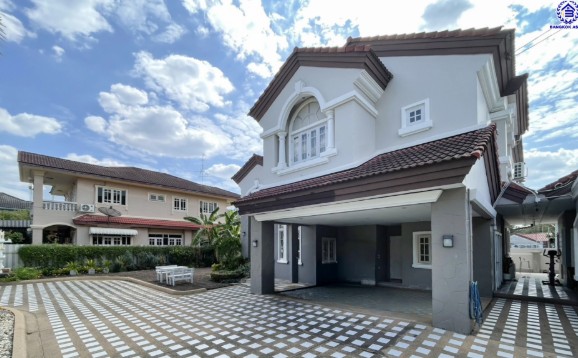
Searching for a detached home can quickly become overwhelming. Buyers may encounter dozens of properties with different prices, layouts, locations, and styles, each appearing attractive for a different reason. A useful shortlist should not begin with the most impressive photographs. It should begin with a clear understanding of what the family needs from the next stage of life.
That next chapter may involve another child, older children needing privacy, remote work, caring for elderly relatives, changing schools, or simply wanting more outdoor space. The right home is therefore not just a property purchase. It is the setting in which the family’s routines, relationships, and future plans will unfold.
Separate Essentials From Preferences
Before comparing houses, buyers should identify which features are essential and which can be changed later. The required number of bedrooms, sufficient parking, a manageable commute, or a ground-floor room may be non-negotiable. Wall colours, furniture, and decorative finishes are usually easier to alter.
This distinction prevents buyers from rejecting a suitable home because of cosmetic details or choosing an attractive property that fails to meet important daily needs. A strong shortlist should contain only homes that satisfy the household’s core requirements.
Set a Budget for the Whole Move
The advertised price is only part of the financial commitment. Buyers should also consider inspection, transfer, repairs, renovation, furniture, community charges, garden care, utilities, and regular travel expenses.
A lower-priced house may require immediate work on plumbing, electrical systems, roofing, drainage, or air conditioning. A slightly more expensive property in better condition may create less pressure after the move.
The purpose of the budget is not simply to identify what the family can buy. It is to determine what the family can comfortably own and maintain.
Judge the Way the Space Works
Total floor area does not always reveal whether a house will function well. Buyers should examine the position of bedrooms and bathrooms, the size of shared living areas, storage, laundry space, parking, outdoor areas, and how easily family members can move through the home.
A larger property may contain long corridors or rooms that are difficult to use. A smaller home with a more efficient floor plan may feel more comfortable and practical.
Flexibility is equally important. A multipurpose room might begin as a home office and later become a nursery, guest room, study, or bedroom for an elderly relative. A ground-floor room can become particularly useful as the household changes.
Filter Locations Through Real Family Routines
A good location should be assessed through the places the family actually visits. Workplaces, schools, hospitals, shopping centers, main roads, expressways, and public transport all influence whether a home remains convenient.
Distance on a map cannot fully describe the journey. Buyers should consider access roads, alternative routes, traffic at relevant times, pick-up points, and ease of travel for children or older relatives.
A property that appears close to important destinations may still create difficult daily travel. Another home slightly farther away may offer better road connections and a more reliable routine.
Look Beyond the Front Gate
The surrounding community affects the experience of living in the house. Buyers should observe street lighting, road conditions, traffic speed, entrance controls, noise, green areas, play spaces, neighboring properties, and the maintenance of shared facilities.
No neighborhood can promise complete safety, but thoughtful design and good management can reduce avoidable risks. Families with young children may pay particular attention to vehicle movement and pedestrian areas, while households with elderly members may value even walkways and easy access.
Visiting the neighborhood at more than one time of day can reveal differences in traffic, parking, lighting, noise, and community activity.
Compare Nonthaburi Options Consistently
Nonthaburi offers detached houses in established neighborhoods and planned developments around Bangkok. These areas can differ considerably in layout, road access, school routes, healthcare availability, community atmosphere, and distance from everyday services.
When comparing family-friendly houses in Nonthaburi, buyers should apply the same standards to every property. Usable space, travel practicality, building condition, neighborhood quality, and long-term costs should all be assessed consistently.
This prevents one attractive feature, such as a large garden or newly decorated interior, from outweighing more important concerns about access, maintenance, or family needs.
Inspect Before Creating the Final Shortlist
Before a property reaches the final stage, buyers should look carefully at the roof, walls, cracks, dampness, drainage, electrical fittings, plumbing, windows, doors, air-conditioning units, and equipment included in the sale.
A personal viewing is useful for early screening, but it cannot replace an assessment by qualified professionals. Unusual cracking, repeated moisture, poor drainage, exposed wiring, or signs of previous repairs may justify further inspection by an engineer, electrician, plumber, or independent home inspector.
The likely cost and disruption of repairs should be considered before the property is placed ahead of better-maintained alternatives.
Create a Comparison That Reflects Your Priorities
A private comparison table or scoring system can help buyers organize information after several viewings. Each property can be assessed against budget, layout, travel, schools, safety, condition, services, and long-term ownership costs.
However, the total score should not make the decision by itself. Some criteria may matter far more than others. A ground-floor bedroom may be essential for a family caring for an older relative, while school access and outdoor space may carry greater weight for a household with children.
The purpose of comparison is to clarify trade-offs, not to remove personal judgment.
Choose the Home That Can Adapt
Shortlisting the right detached home is not about finding a property that excels in every category. It is about identifying the home that meets the family’s essential needs, remains within a manageable budget, supports realistic travel, and can adapt as life changes.
A thoughtful shortlist narrows the search to homes that work not only on moving day but also during the years that follow. By focusing on practical space, flexible rooms, location, community, condition, and future needs, families can choose a home that supports their next chapter with greater confidence.
