
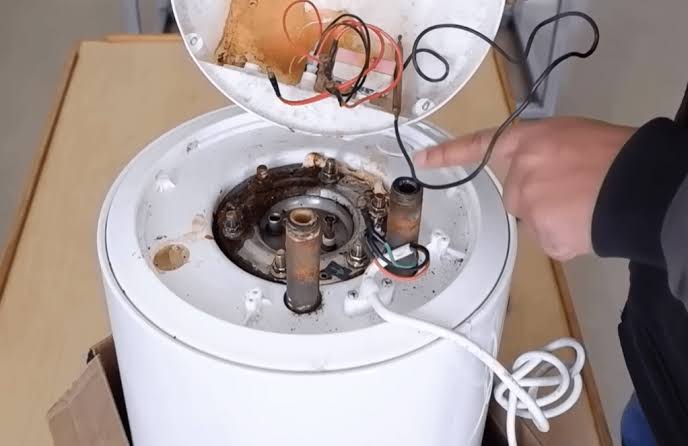
The monsoon brings cooler weather and relief from the heat, but it can also create challenges for household appliances. Your water heater is no exception. Increased humidity, moisture, power fluctuations and changes in water quality can affect its performance during the rainy season. Knowing the common issues can help you identify early warning signs and take timely action.
- Frequent Power Fluctuations
Heavy rain and thunderstorms can sometimes lead to an unstable power supply. Sudden voltage fluctuations may affect the geyser’s electrical components and can interfere with its normal operation.
If your geyser switches off unexpectedly, takes longer to heat water or shows unusual behaviour, it is worth checking the power supply. Using the geyser with appropriate electrical protection can also help reduce the impact of voltage fluctuations.
- Water Taking Longer to Heat
If your geyser is taking more time than usual to provide hot water, several factors could be responsible. Changes in incoming water temperature, mineral deposits on the heating element or reduced heating efficiency can all affect performance.
During the rainy season, changes in the local water supply may also influence the quality of water entering your geyser. If slower heating continues, professional inspection can help identify the underlying cause.
- Moisture and Electrical Concerns
Monsoon conditions mean higher humidity and more moisture in bathrooms. Excess moisture around electrical connections can become a concern, particularly if the geyser or its wiring has not been installed correctly.
Make sure the area around the geyser remains dry and that electrical connections are properly maintained. If you notice sparks, burning smells or unusual sounds, switch off the appliance and seek professional assistance rather than attempting repairs yourself.
- Reduced Water Pressure
Rain can sometimes affect local water supply systems, resulting in changes in water pressure. A noticeable pressure drop can affect how your geyser operates, particularly when there are existing plumbing issues or blockages.
Check whether the reduced flow is limited to the hot water outlet or affects other taps as well. If the issue is specific to the geyser, the inlet, outlet, or plumbing may need inspection.
- Water Leakage
Leaks are another issue that should never be ignored. A small leak may develop around the inlet or outlet connections, while water collecting around the tank can indicate a more serious problem.
Regularly checking for dampness, dripping water or corrosion around the geyser can help you spot problems early. Since the appliance combines water and electricity, professional servicing is recommended for persistent leaks.
- Unusual Noises from the Geyser
Crackling, popping or rumbling sounds may indicate mineral deposits building up inside the tank or around the heating element. Changes in water quality during the monsoon can make such issues more noticeable.
If your geyser starts making unfamiliar noises, getting it inspected can help prevent a minor maintenance issue from becoming a bigger problem.
- Hard Water Buildup
Hard water can cause mineral deposits to build up inside the geyser over time, affecting heating efficiency and overall performance. Common signs include slower heating, higher energy consumption and unusual noises from the unit.
If hard water is a concern in your area, installing a water softener can help reduce scale buildup, support consistent performance and help protect the geyser’s internal components.
Conclusion
A little attention can go a long way towards maintaining geyser performance during the rainy season. Keep electrical connections protected from moisture, watch for changes in heating or water flow, and arrange professional servicing when needed. Most importantly, do not ignore unusual sounds, leaks or electrical issues. Addressing them early can help keep your geyser working safely and efficiently throughout the monsoon.
