
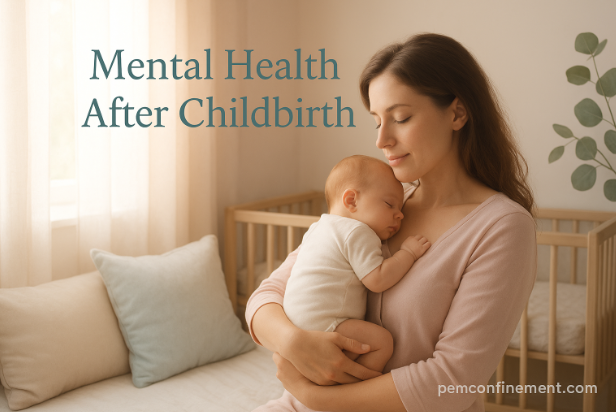
The arrival of a new baby is often painted as a moment of pure joy. Yet, for many new mothers, this beautiful chapter also brings unexpected and unspoken challenges. Navigating the immense physical and emotional changes after childbirth can feel isolating, but it is a journey you do not have to walk alone.
This article shines a light on postnatal depression (PPD), a common but serious condition affecting many mothers. We will explore its signs, discuss how professional caregivers can provide a vital support system, and guide you to available resources. Understanding the role of postpartum care is the first step towards a healthier, more supported motherhood experience.
Understanding the benefits of expert confinement nanny services can be incredibly empowering for mothers seeking dedicated support during this critical time. These professionals offer the specialised care needed to navigate the postpartum period confidently.
What is Postnatal Depression? Understanding the Condition
Postnatal depression is more than just the “baby blues,” which are common mood swings that typically fade within two weeks. PPD is a more intense and longer-lasting form of depression that can significantly impact your ability to care for your baby and handle daily tasks.
In Singapore, it is estimated that approximately 1 in 10 new mothers experience this condition. The onset can be triggered by a combination of factors, including drastic hormonal shifts after delivery, severe sleep deprivation, and the overwhelming responsibility of caring for a newborn.
Recognising the Signs: Common Symptoms of PPD
Early recognition is a crucial step toward getting the help you need. While experiences vary, many mothers with postnatal depression report similar emotional, behavioural, and physical symptoms. It is important to monitor how you are feeling during the postpartum period.
Common symptoms include:
- Persistent feelings of sadness, anxiety, or emptiness.
- Severe mood swings, irritability, or anger.
- Withdrawing from family, friends, and social activities.
- Feeling overwhelmed or doubting your ability to be a good mother.
- Loss of interest in activities you used to enjoy.
- Significant changes in appetite or sleeping patterns.
- Thoughts of harming yourself or your baby.
How does a Confinement Lady in Singapore Offer Essential Support?
Navigating postpartum recovery can be much smoother with the right support system. A confinement lady in Singapore is a trained professional who provides holistic care for both mother and baby, significantly improving a new mother’s mental well-being.
A Pillar of Emotional Support
One of the most valuable roles of confinement nannies is providing emotional companionship. Having an experienced and reassuring presence can reduce feelings of loneliness and anxiety. They offer a listening ear for your concerns and validate your feelings, which is incredibly comforting during a vulnerable time.
Prioritising Rest and Physical Recovery
Sleep deprivation is a major contributor to poor mental health. A confinement lady takes over night feeds and settles the baby, allowing you to get the uninterrupted rest your body needs to heal. She lifts a significant burden by managing household chores and baby care, preventing you from becoming physically exhausted and overwhelmed.
Ensuring Proper Nutrition for Well-being
A well-balanced diet is vital for postpartum recovery and mood regulation. Your nanny is an expert in preparing nutritious confinement meals to replenish your energy, aid healing, and support lactation. This ensures your body gets the fuel to recover, directly impacting your mental state.
Reducing Overwhelm and Building Confidence
The learning curve for a new mother is steep. A confinement lady provides hands-on guidance for newborn care, from bathing and feeding to establishing a routine. This support reduces the stress of uncertainty and empowers you with the skills and confidence to bond with your baby without feeling overwhelmed.
Professional Help and Resources in Singapore
While a confinement lady is a fantastic support, she is not a substitute for professional medical care. If you believe you are experiencing PPD, it is essential to speak with a healthcare professional. Fortunately, Singapore has excellent resources available. A Singapore confinement centre can also be a supportive option for those looking for comprehensive residential care.
| Organisation | What They Offer | Contact Information |
| KK Women’s and Children’s Hospital | Women’s Mental Wellness Service & PNDIP | 6294 4050 |
| National University Hospital (NUH) | Women’s Emotional Health Service (WEHS) | 6772 2037 |
| Clarity Singapore | Non-profit counselling and mental health services | 6757 7990 |
| Samaritans of Singapore (SOS) | 24/7 Crisis Hotline | 1-767 |
Frequently Asked Questions
How long can postnatal depression last?
Postnatal depression can last for several months or even more than a year if left untreated. Many women feel better within a few months with proper support and treatment.
Can a confinement lady diagnose PPD?
No, a confinement lady cannot diagnose PPD. She is, however, experienced in recognising potential warning signs and can encourage a new mother to seek professional medical advice.
What is the difference between “baby blues” and postnatal depression?
“Baby blues” are common, milder mood swings that last for about two weeks after childbirth. Postnatal depression is more severe, lasts longer, and interferes with your ability to function daily.
Conclusion: You Are Not Alone
Motherhood is a profound journey, and it is okay to need support. Postnatal depression is a real and treatable medical condition, not a sign of weakness. Recognising the symptoms is the first and most crucial step toward recovery.
Support systems, such as an experienced confinement lady in Singapore, are invaluable in creating a nurturing environment that allows you to heal and bond with your baby. By prioritising your mental health and reaching out for help, you take the best care of yourself and your new family.
