
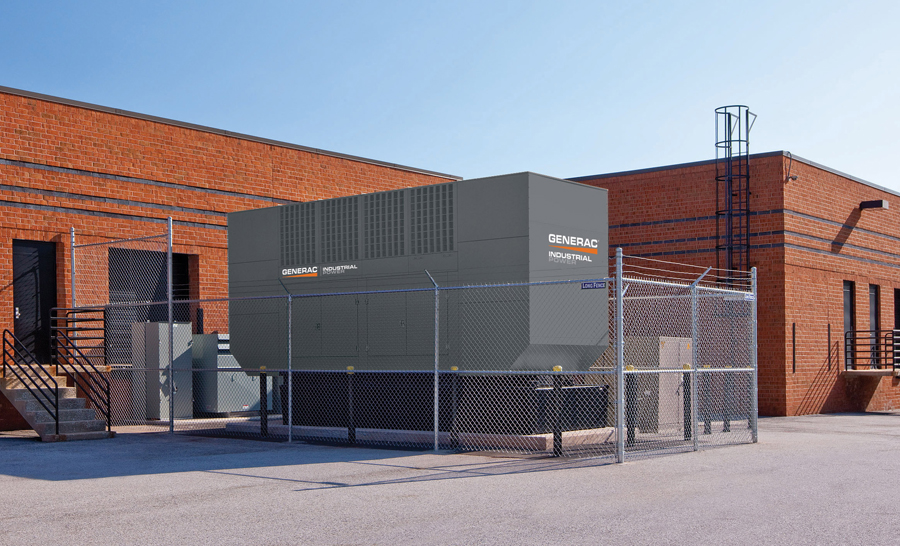
Industrial work does not move at the same pace. Some stages run smoothly while others slow the task down. A steady power supply helps teams continue their work without interruption.
This becomes clear during work at height. An aerial work platform allows access to areas that cannot be reached from the ground, yet it relies entirely on a steady flow of energy. The lift must respond when the operator commands it. It must hold its position without drift. Any inconsistency in power changes how the task is carried out and increases the need for caution.
On most sites, teams focus on access, equipment, and timelines, so power does not get much attention at the start. It only becomes noticeable once work begins. Delays and repeated adjustments often come down to how well the power supply was planned.
This is where cost starts to matter. The type of power source and the value placed on it directly affect how smoothly the work proceeds.
Role of Power Systems in Maintaining Worksite Efficiency
Power systems keep work organized and on schedule. Stable energy means operators can work without frequent stops, allowing plans to stay accurate and tasks to proceed without delay.
When the supply drops, work stops as expected. Teams stop and reassess the situation. Equipment remains unused, and time begins to slip. This creates pressure on both output and planning. Reliable power avoids these disruptions. It allows each stage of work to follow the next without delay.
Generator Prices and What They Represent in Practice
Generator prices show more than the amount paid at the start. They give a clear idea of how the unit will perform during actual work. A higher price often means the generator can handle larger loads and run for longer periods without difficulty. It also suggests that the unit can operate without placing stress on its internal parts.
Lower priced options may work well for limited use. They do not always suit sites that need continuous power for long hours. Pricing also reflects how well the generator is built and how long it is likely to last. Businesses look at these factors to understand the value behind the cost. In the end, the price connects closely with how reliable the generator will be and how well it supports ongoing work.
Selecting Generators Based on Operational Requirements
Each site has its own set of demands. Some operations need power for long hours without any break. Others run for shorter periods, and the load changes during the day. The choice of generator depends on these conditions. It should not depend on cost alone.
The generator must deliver the required output. When the capacity is too low, equipment does not perform as expected. This slows the work and creates delays. When the capacity is too high, energy is not used properly and costs increase.
Decision makers look at the workload. They consider how long the generator will run. They also review the site layout. This helps them choose a unit that fits the task. A correct choice supports the work and allows it to continue without difficulty.
Impact of Generator Pricing on Operational Stability
Pricing decisions shape how work progresses on site. When cost becomes the only factor, issues begin to appear. A generator with low capacity cannot meet demand. This leads to delays and uneven performance. A unit that does not suit the task may also consume more fuel and increase running costs.
These problems reduce productivity and place pressure on timelines. Careful investment helps avoid such outcomes. It supports stable operations and allows work to continue without unnecessary setbacks.
Conclusion
Generators support the full flow of industrial work. They provide the energy that keeps equipment running and teams active. When they are not available, work does not continue seamlessly.
Their role goes beyond supplying power. They help maintain the pace of work and keep timelines on track. They also support safe execution of tasks by ensuring equipment operates as expected.
Generators are a dependable part of any work setup, as they allow work to flow. For any operation that relies on steady performance, they remain an essential part of the process.
