
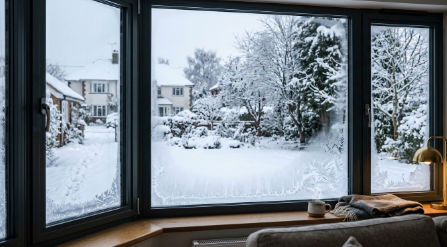
Energy-rated products, proper glazing, durable frames, and airtight installation can help improve comfort during cold weather.
Montreal winters can make weak windows hard to ignore. Drafts, condensation, cold glass, difficult operation, and worn frames can affect comfort and may increase the pressure to replace older units.
Still, choosing new windows should not start with style alone. Homeowners need to understand what problem they are trying to solve, which materials fit the home, and what installation or permit details should be confirmed before ordering.
Start With the Comfort Problem
Before comparing products, identify what is not working. Drafts around the frame may point to air leakage. Condensation between panes may suggest failed sealed glass. Rot, corrosion, or warping may indicate frame deterioration. Windows that stick, do not lock properly, or let in noticeable cold air may no longer be performing as expected.
Not every issue requires full replacement. Some problems may involve weatherstripping, caulking, hardware, or localized repair. Other issues, especially failing glass seals or damaged frames, may justify a larger project.
For homeowners comparing windows Montreal, manufacturer and product information can be useful when reviewing material options, energy performance, and replacement planning before making a final decision.
Look for Energy Performance That Fits the Climate
Energy performance matters in a city with cold winters and warm summers. Windows affect heat loss, solar gain, drafts, and indoor comfort. The right product should support the way the home is used, the direction the windows face, and the level of insulation needed.
Quebec’s Rénoclimat program provides financial assistance for replacing existing doors and windows with ENERGY STAR certified models, subject to program requirements. Homeowners are also advised to keep invoices and ENERGY STAR labels for verification.
When comparing products, review energy ratings before choosing based on appearance. Glazing, gas fills, spacers, low-emissivity coatings, and frame design can all affect performance. A window that looks similar to another product may perform differently once installed.
Compare Materials Before Choosing
Window frames affect durability, maintenance, insulation, and appearance. Common material options include PVC, aluminum, hybrid, and wood. Each has different strengths, so the right choice depends on the home and the project goals.
PVC is often chosen for insulation value and low maintenance. Aluminum is known for strength, clean lines, and durability, especially where slimmer profiles or larger openings are desired. Hybrid windows may combine exterior aluminum durability with interior PVC insulation. Wood can provide a traditional look but usually requires more maintenance.
Material choice should also consider exposure. A window facing harsh weather, heavy sun, or frequent freeze-thaw cycles may have different needs than one in a protected area. Homeowners should compare not only the upfront cost, but also maintenance expectations and long-term performance.
Plan for Installation Quality
A good window can underperform if installation is poor. Air leaks, water entry, uneven operation, and condensation issues may result when measurements, flashing, insulation, or sealing are not handled properly.
Before ordering, homeowners should confirm measurements, wall conditions, rough opening requirements, trim details, and whether surrounding materials need repair. Older homes may require extra attention because openings may not be perfectly square, and hidden damage may appear once the old window is removed.
Installation planning should also account for timing. Winter installation may be possible, but it requires coordination to reduce heat loss during the work. Larger projects may need to be phased so the home remains comfortable and secure.
Check Permit Requirements Early
Permit requirements should be reviewed before work begins. The City of Montreal states that window and door replacement must comply with current regulations, and some projects require a permit. Changing the size of an opening or creating a new opening generally requires a permit in each borough.
Homeowners should also check whether the property is subject to heritage, façade, co-ownership, or borough-specific requirements. This is especially important in older neighbourhoods or buildings with shared exterior elements.
Confirming requirements early can prevent delays after products are ordered. It also helps ensure the chosen window style, dimensions, and installation approach fit the property’s rules.
Think Beyond the Purchase Price
The lowest quote is not always the best value. Window projects can include product cost, installation, disposal, trim work, exterior finishing, permit fees, and possible repairs around the opening. If the frame or surrounding wall has water damage, the final scope may change.
Warranty details should also be reviewed. Ask what is covered for glass, hardware, frames, installation, and labour. A clear warranty can help homeowners understand what support is available if a problem appears later.
Maintenance should be part of the decision as well. Some materials require less ongoing attention than others. Homeowners who want a lower-maintenance exterior may prioritize different products than someone focused on a traditional design.
Conclusion
Choosing windows in Montreal is easier when homeowners start with performance, not just appearance. Identify the comfort problem, compare energy ratings, review material options, plan installation carefully, and confirm permit requirements before committing.
A well-planned window project can improve comfort, reduce drafts, support energy goals, and help the home feel better prepared for Montreal’s changing seasons.
Additional Resources
Homeowners comparing durability, design, and frame performance can review aluminum windows as part of their material research before finalizing a window project.
