
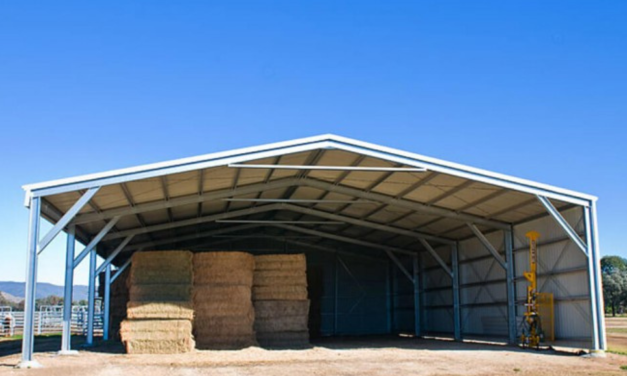
When it comes to backyard organization and home safety, outdoor sheds play a bigger role than most homeowners realize. Beyond housing garden tools or patio cushions, many sheds also serve as storage for gas, paint, pesticides, and other flammable materials. Without the proper precautions, this storage convenience can quickly turn into a fire hazard.
Practicing proper fire safety with your outdoor shed isn’t just smart—it’s essential. Here’s how to store fuels, tools, and chemicals safely, while maintaining a shed that’s both functional and compliant with fire safety best practices.
Why Fire Safety in Outdoor Sheds Matters
Every year, thousands of residential fires originate from improperly stored substances like gasoline, propane, or oil-based products. Outdoor sheds are especially vulnerable because they’re often detached from the main house and constructed from wood or resin materials that can ignite easily. In hot climates such as Southern California, where summer temperatures soar, even a few degrees of extra heat inside an unventilated shed can increase vapor pressure in stored chemicals. This can cause sealed containers to rupture or leak flammable fumes, creating a perfect recipe for ignition.
By understanding the risks and applying appropriate safeguards, you can minimize the risk of a fire while still keeping everything you need within reach.
Store Gasoline and Flammable Liquids Responsibly
Gasoline is one of the most dangerous items to keep in a backyard shed, but many homeowners store it out of necessity for lawnmowers, trimmers, or power tools. The goal isn’t to avoid storing fuel altogether—it’s to do it safely.
Here’s how to reduce your risk:
- Use approved containers only. Always store gasoline in containers designed and labeled for flammable liquids. These containers help regulate vapor pressure and prevent spills.
- Limit quantities. Keep no more than one gallon of gasoline per small yard machine. For most homes, five gallons is the absolute maximum recommended for on-site storage.
- Keep fuels off the floor. Store gas cans on metal or plastic shelving near ground level, but never directly on the floor, as this can trap heat.
- Allow ventilation. Install a vent or louver near the roof of your shed to disperse fumes. Gasoline vapors are heavier than air and will accumulate when airflow stops.
- Avoid heat and sparks. Never store gasoline next to power tools, electrical outlets, or extension cords that could produce sparks.
These simple habits drastically reduce the possibility of combustion and help extend the lifespan of your shed.
Safe Storage for Tools and Equipment
Sheds often contain power tools, saws, trimmers, and electrical devices that could spark if damaged or improperly maintained. Fire safety starts long before you hit the “on” switch—it begins with organization.
- Unplug before storage. Always disconnect electrical cords and batteries before putting tools away.
- Inspect cords and plugs. Damaged insulation or frayed wires can create dangerous heat points when devices are in use.
- Keep oily rags separate. Spontaneous combustion is a real risk when storing rags soaked in oil or paint thinner. Dispose of them safely or store them in a metal container with a sealing lid.
- Establish clear zones. Separate fuel storage from power tools by at least three feet. A simple partition or shelving barrier can make a big difference.
Think of your shed like an extension of your garage workshop—organized, ventilated, and safe.
Handling Gardening Chemicals and Paints
Many outdoor enthusiasts store pesticides, fertilizers, and paints in their sheds without realizing how reactive these products can be. Some fertilizers, especially those containing ammonium nitrate, can ignite under the right conditions.
Follow these best practices:
- Label everything. Never mix or repackage chemicals in unmarked bottles. Keep each product in its original container.
- Store upright. Position containers vertically and use secondary trays or bins to catch accidental leaks.
- Avoid extremes. If your shed becomes very hot or cold, consider moving sensitive chemicals indoors to a climate-controlled area, such as a garage cabinet.
- Keep children and pets out. Use lockable shelves or cabinets to prevent accidental access.
Safe chemical storage also protects the environment, preventing spills or contamination when it rains.
Improving Shed Design for Fire Safety
Building or upgrading your shed with safety in mind pays off for years to come. Even minor design adjustments can mitigate risks and improve usability.
- Opt for noncombustible siding. Metal or composite materials significantly reduce the risk of ignition compared to wood.
- Add ventilation. Cross-ventilation is a must for flammable vapors. Install a small exhaust fan or vent system.
- Use fire-resistant flooring. Concrete pavers, gravel, or treated metal flooring help slow the spread of fire.
- Maintain vegetation clearance. Keep at least five feet of space between your shed and nearby plants, trees, or fences.
Homeowners shopping for the best durable large sheds for backyards should look for designs that incorporate fire-resistant materials, ventilation upgrades, and built-in organization systems for safer storage.
Developing a Routine Fire Safety Checklist
Maintaining safety is an ongoing process. Set quarterly reminders to inspect your shed’s storage practices. During each check, do the following:
- Examine all fuel containers for cracks or leaks.
- Wipe up any residue under shelves or along the floor.
- Test smoke or heat detectors if installed.
- Clear debris or leaves from around the shed exterior.
- Reassess spacing between fuel, tools, and chemicals.
A small routine like this prevents neglect and can alert you early to problems that might otherwise go unnoticed.
An organized, well-ventilated, and fire-safe shed doesn’t just protect your tools and investments—it safeguards your entire property. With intentional design, responsible storage, and routine maintenance, you can enjoy both convenience and peace of mind every time you step into your backyard storage space.
