
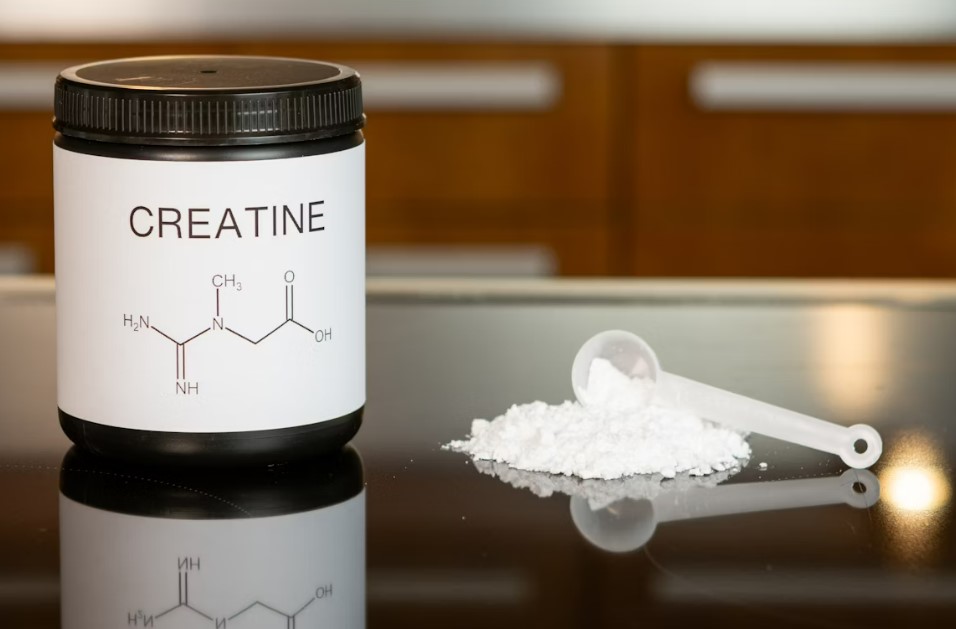
Creatine has an influence on the health and fitness world as one of the most studied and used supplements. It plays a part in boosting athletic performance and occurs in muscle cells helping to generate energy during tough workouts. While many link it to bodybuilding and strength training, creatine has an impact on more than just muscle growth. This guide looks into how creatine functions, who it can help, and why many consider it a must-have in their wellness plans.
What Is Creatine and How Does It Work?
Creatine is a compound that consists of three amino acids: arginine, glycine, and methionine. The liver, kidneys, and pancreas produce it, and it’s stored in skeletal muscle. When you do short intense activities—like sprinting or lifting weights—creatine helps to regenerate adenosine triphosphate (ATP), which is the main energy source for cells.
Taking creatine supplements boosts your body’s phosphocreatine stores allowing ATP to regenerate faster. This leads to better performance in activities that need quick energy output. Creatine isn’t a stimulant, and its effects build up over time, which means regular use gives the most noticeable results.
Athletic Performance and Muscle Recovery
One of the best-known creatine benefits has an impact on athletic performance. Research shows that taking creatine can boost strength, power, and stamina during tough workouts. Athletes in many sports, from football to swimming often take creatine to get an edge over their rivals.
Aside from performance, creatine also helps muscles recover. It cuts down on muscle cell damage and swelling after hard exercise, which can speed up recovery and reduce soreness. This makes it useful not just for top athletes, but also for regular gym-goers who want to see better results from their workouts.
Cognitive and Neurological Support
While most people link creatine to physical performance, new studies hint it might boost brain health too. Our brains are just like our muscles, need lots of energy to work well. Taking creatine supplements has been shown to have an impact on brain function for tasks that need quick recall and fast thinking.
Doctors are looking into how creatine could help with brain problems like Parkinson’s disease and depression. We need more studies, but early results suggest creatine might protect brain cells and improve overall mental abilities particularly in people who don’t have much creatine to start with.
Benefits for Aging Populations
Creatine benefits more than just young athletes—it has positive effects on older adults too. As people get older, they lose muscle mass and strength, a condition called sarcopenia. Taking creatine supplements, along with strength training, helps preserve muscle mass and boost functional strength in aging groups.
What’s more, creatine might support bone health and lower the risk of falls by enhancing balance and coordination. These advantages make it a key part of wellness plans to maintain independence and life quality in later years.
Safe Usage and Considerations
Creatine is safe to use long-term when taken as recommended. Most people follow a protocol with a loading phase of 20 grams for 5–7 days then switch to a maintenance dose of 3–5 grams. Many users skip loading and still see good results over time.
You need to drink plenty of water while taking creatine, as it pulls water into your muscles. Some people might feel a bit bloated or have stomach issues, but these don’t usually last long. Like with any supplement, it’s a good idea to check with your doctor before you start taking creatine if you have health problems.
Conclusion
Creatine has an impact on many areas of health and fitness. Studies show it helps with physical performance, brain function, and healthy aging. It’s useful for different groups of people. Athletes can use it to get better results from their workouts. Students might find it helpful to think more. Older adults can take it to keep their strength and stay mobile. Creatine is a key part of many people’s health plans. When used and with expert advice, it’s safe and works well to support your body’s energy needs and overall health.
