
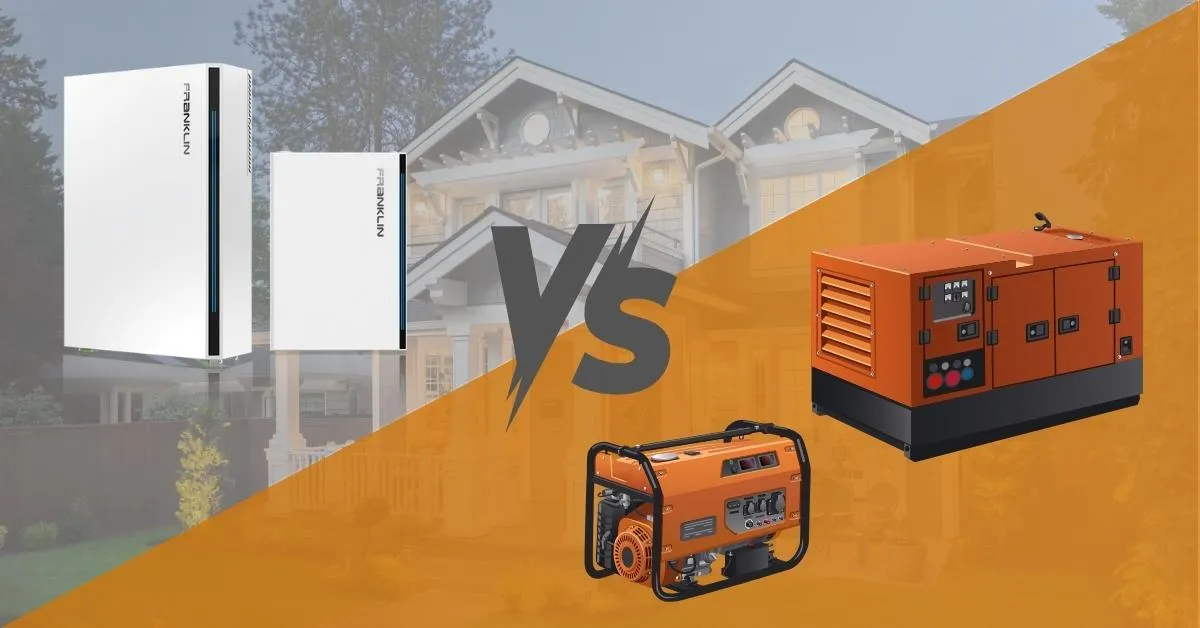
Power reliability is becoming a growing concern in many regions, prompting homeowners to explore dependable backup solutions. Home energy storage systems and standby generators are two of the most common options. Each offers a way to keep the lights on and essential appliances running during an outage, but they differ in design, operation, and benefits. Choosing the right solution depends on your energy goals, budget, and lifestyle.
Understanding how these systems function and what New Generator Installation Services in California provide can help you make a confident decision. From energy independence and sustainability to fuel access and maintenance needs, there are essential factors to consider before selecting the best system for your home.
The Differences Between Home Energy Storage and Standby Generators
Here are the key differences between home energy storage and standby generators:
- Power Source And Operation
Home energy storage systems, such as lithium-ion batteries, store electricity from the grid or solar panels. They activate automatically during an outage and supply power quietly. On the other hand, standby generators run on fuels like natural gas or propane and start automatically when power is lost. They are designed for high-output needs and can run longer if the fuel supply remains steady.
- Environmental Impact
Battery systems are cleaner and quieter because they do not rely on combustion. This makes them suitable for homes looking to reduce their carbon footprint. Standby generators emit exhaust and operate with noise, which can be a concern in residential neighborhoods or eco-conscious households.
- Installation And Space Requirements
Energy storage systems typically occupy less space and are often wall-mounted or housed near a solar inverter. Standby generators require outdoor installation with adequate ventilation and clearance. Additionally, generator setups may involve connecting to a fuel line or installing a separate fuel tank, which adds to space and cost considerations.
- Maintenance And Longevity
Battery systems require minimal maintenance and can be monitored through digital apps for performance updates. They generally have a life expectancy of ten to fifteen years. To remain reliable during emergencies, Standby generators need regular maintenance, including oil changes, fuel line checks, and mechanical inspections.
- Cost And Incentives
Upfront costs for energy storage systems can be higher, especially when paired with solar panels, but tax credits and utility incentives can reduce the investment. Generators tend to be less expensive initially, but fuel expenses and ongoing maintenance can increase the lifetime cost.
Match Solutions To Your Energy Needs
Choosing between a battery system and a generator starts with identifying your household’s energy habits. If you seek quiet operation, solar compatibility, and clean energy usage, a storage system will likely align with your priorities. If extended outages are common and fuel access is convenient, a generator may offer greater assurance in long-duration events. By evaluating the features and limitations of home energy storage and standby generators, your Monterey Electrician can help you choose a solution that provides security and confidence in any season.
Consider a hybrid approach, combining both systems for maximum flexibility. While this requires a higher upfront investment, it brings redundancy and increased control over how your home responds during power disruptions. Securing backup power means more than preparing for outages. It involves building an energy strategy that fits your lifestyle, values, and long-term comfort.
