
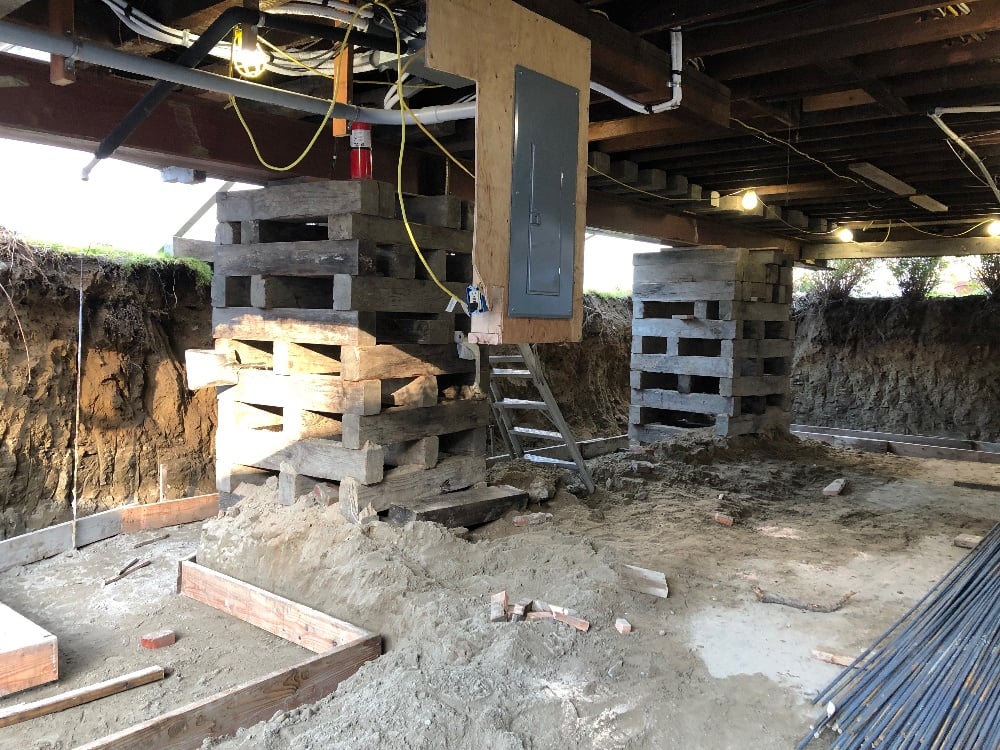
When you think about a home renovation or build, it’s easy to focus on design details like flooring, paint colors, cabinets, or finishes. But before those final touches appear, there’s an entire behind-the-scenes process that makes it possible. At every stage, from laying the foundation to topping off the roof, lifting and rigging equipment plays a crucial role. Without these tools, many projects would be unsafe, time-consuming, and nearly impossible to complete with accuracy.
Setting the Foundation Right
Every sturdy home starts with a strong foundation. Renovation projects that involve reinforcing or replacing parts of the foundation often require moving large concrete blocks, steel reinforcements, or pre-cast sections.
- Chain hoists and rigging slings enable the movement of heavy foundation supports into position.
- Cranes or portable hoists make sure materials are lowered and secured safely, lowering risks for workers and preventing damage to the structural base.
Using this equipment helps contractors achieve precise alignment and placement of foundation materials, which is essential for the stability of the entire structure.
Raising Structural Beams and Frames
Once the foundation is in place, the next major step is framing. Here, the true “skeleton” of the home begins to take shape, and it involves a lot of heavy lifting. Structural beams, trusses, and prefabricated wall sections aren’t just heavy—they’re also awkward and dangerous to handle without help.
This is where tools like lifting beams and spreaders come into use. These devices evenly distribute the load’s weight, preventing materials from bending, cracking, or shifting during lifting. Paired with rigging hooks, they enable crews to lift beams into position with accuracy.
The result? A safer worksite and a more efficient framing process that guarantees walls and ceilings are straight, stable, and prepared for the next step.
Mid-Project Installs: Appliances and Features
Home projects often involve more than just wood and nails. Large appliances, stone countertops, HVAC units, and even fireplaces are becoming common features in modern homes. Each of these presents a significant lifting challenge.
- Rigging slings securely hold awkwardly shaped items like stone slabs.
- Portable cranes can precisely lift HVAC systems or hot tubs into tight spaces.
- Chain hoists offer a controlled way to lift in confined spaces, such as lowering a heavy appliance into a basement.
Using the right equipment helps contractors save time, protect delicate finishes, and reduce the risk of damage to both the item and the structure.
Topping It Off with Roofing and Exteriors
The final stages of home construction or renovation are just as demanding. Roofing projects often involve lifting shingles, tiles, or entire trusses. Solar panels, skylights, and even decorative exterior features like large windows must be carefully placed.
Here, portable cranes and spreader bars stand out. They enable steady, controlled lifts that enhance rooftop safety and precision. Instead of a crew struggling to carry materials up ladders, which is risky and time-consuming, rigging and lifting equipment handle the heavy work. This allows workers to focus on accuracy and proper installation.
Why Lifting Equipment Transforms Projects
The heavy lifting equipment used in home projects mainly offers two key benefits: safety and efficiency.
- Safety: Minimizes worker injuries and safeguards valuable building materials.
- Efficiency: Reduces the time required to move and install heavy objects, leading to faster project completion with fewer setbacks.
This doesn’t just benefit contractors. Homeowners also notice that projects run more smoothly, delays are minimized, and the final results are often of higher quality.
Choosing the Right Gear
Not every project calls for a massive crane, but having access to the proper lifting and rigging equipment for each phase is crucial. Smaller tools like hoists and slings are perfect for tight spaces or precise lifts, whereas lifting beams and cranes are more suitable for large-scale moves.
Contractors partnering with reputable equipment suppliers not only access the right gear but also gain peace of mind knowing everything meets safety standards and is rated for the loads at hand.
Final Thoughts
From the very first block of the foundation to the final panel on the roof, lifting equipment makes home projects possible. It ensures that heavy materials are handled safely, workers are protected, and timelines stay on track.
For homeowners, that means less disruption, a safer jobsite, and confidence that every part of their dream home, from foundation to finish, has been crafted with precision.
