
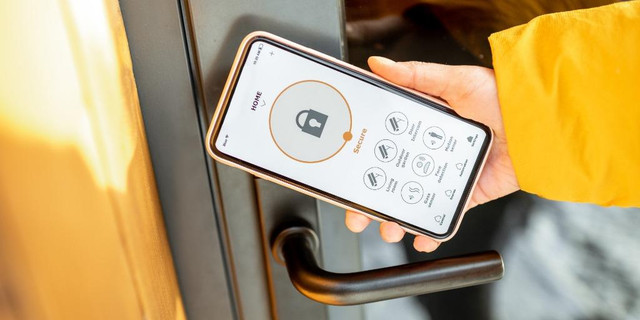
When the power goes out, the last thing you want is for your home security system to go dark with it. That’s where smart alarms shine. Designed with backup systems, mobile connectivity, and intelligent automation, today’s smart alarm systems do more than just monitor; they stay operational when you need them most.
Built-in battery backup keeps systems online
One of the most important features of any smart alarm is its battery backup. Unlike older wired systems that go down with a power cut, smart alarms are equipped with rechargeable batteries that automatically activate during an outage. These batteries typically last anywhere from 12 to 24 hours, depending on the system, giving homeowners peace of mind until power is restored.
This means that even if your home loses electricity during a storm, grid failure, or accidental disconnection, your smart alarm will continue to monitor for motion, sound, entry, and environmental hazards.
Cloud and cellular connectivity maintain communication
Power outages often affect internet service, but many smart alarms are designed to stay connected using cellular backup. With platforms like Owl Wired, your system remains functional through a dedicated 4G LTE connection, ensuring you continue receiving alerts and updates in real-time, even if Wi-Fi is down.
Additionally, data and events are often stored in the cloud, meaning you can still access your system history, device status, and live alerts from your mobile app. You’re never left in the dark when it comes to your home’s safety.
Automated features continue working during outages
Smart alarm systems go beyond traditional intrusion detection. Many are integrated with sensors that track motion, doors and windows, environmental changes, and sound. During a power failure, these sensors continue to function, triggering battery-powered devices like sirens, lights, or even locks depending on your automation setup.
For example, if motion is detected in a restricted area during a blackout, your system could activate an emergency light, begin recording on a battery-powered camera, and send an alert to your phone, all without relying on the home’s main power supply.
Integration with other smart safety devices
When paired with smart devices like a HomeKit smoke detector, smart alarms can offer even greater protection during an outage. In the event of a fire or carbon monoxide event during a blackout, a smoke detector can still trigger alarms and send mobile alerts thanks to battery backups and smart integrations.
This kind of redundancy ensures that even multiple system failures, like no power and no internet, won’t compromise your ability to respond to a life-threatening emergency.
Peace of mind when you’re away
Power outages often happen while you’re not home. With remote monitoring, smart alarms can notify you instantly about the status of your system. Many also include diagnostics to report low battery warnings, signal loss, or system tampering.
That means if your system is running on backup, you’ll know exactly how much battery life is left, which devices are still functioning, and when power has been restored, all from your smartphone.
Why smart matters
With modern platforms like Owl Wired, smart alarms are designed with resilience at their core. They’re built to keep working when traditional systems would fail, making them a critical part of your home safety strategy, especially during emergencies when reliability matters most.
