
When was the last time your energy bill didn’t make you wince? With higher utility costs, longer hours at home, and tech that’s often more trouble than help, it’s no wonder our homes feel less efficient. It’s not just about money—it’s about comfort, cost, and care for the planet. And those goals don’t always align. You might save by lowering the heat, but you won’t enjoy it in January. Or you invest in smart tech that needs constant updates just to work.
The good news? Small choices today can lead to real savings and comfort tomorrow. In this blog, we will share how simple, smart decisions can make your home more efficient—and more livable—without requiring a complete overhaul.
The Upgrades That Actually Make a Difference
It’s easy to get caught up in trends. Smart fridges that talk to you. Light bulbs that change colors with your mood. But not all updates are created equal. If you really want to improve how your home uses energy, focus on the basics.
Start with insulation. It’s not glamorous, but it works. A well-insulated attic or basement can stop hot and cold air from slipping out, cutting down your heating and cooling costs.
Next, take a look at windows and doors. If they’re drafty or old, they’re costing you money. Newer models trap temperature better and block outdoor noise, too.
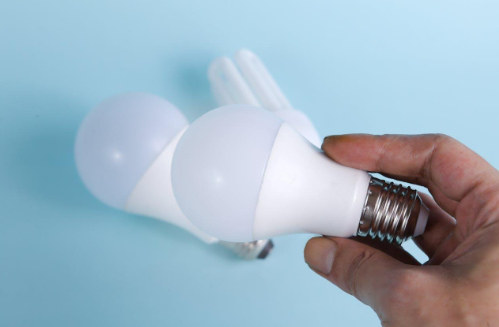
Then come your appliances. Anything over 10 years old is probably using more energy than it should. Dishwashers, washing machines, and dryers have come a long way. So has lighting. Swapping out old bulbs for LED ones is quick, cheap, and surprisingly effective.
And of course, there’s the tank vs. tankless water heater debate. It’s not just a plumbing question—it’s an efficiency one. Tank systems heat water continuously, even when you’re not using it. Tankless models only heat water on demand, which can save energy. The right choice depends on your household size, habits, and budget. But thinking about this now can mean fewer cold showers—and lower bills—in the future.
When Tech Helps (and When It Doesn’t)
Let’s talk about smart tech. There’s a lot of hype around devices that promise to control every part of your home with a tap or voice command. Some of these are helpful. Others just blink at you in judgment when you forget to update the firmware.
The smart thermostat is one upgrade worth considering. It learns your routine, adjusts the temperature when you’re away, and helps you spot patterns that waste energy. Over time, it can pay for itself.
Smart plugs and power strips are another low-cost win. They shut off power to devices you’re not using—like the coffee maker that stays on standby all day or the TV that glows faintly even when turned off.
But be cautious. Just because something’s labeled “smart” doesn’t mean it is. Look for tools that are easy to use, work reliably, and don’t require a tech degree to troubleshoot.
Why These Choices Are Bigger Than Just Bills
Saving money is a great reason to improve home efficiency. But it’s not the only one. These choices affect how we live and how we feel in our spaces.
A more efficient home is often a more peaceful one. It’s quieter. More comfortable. Easier to manage. You’re not running around adjusting fans, taping window cracks, or worrying if the heater’s going to make it through the night.
There’s also the bigger picture. As cities push for better building codes and states invest in clean energy programs, homes that already meet those standards are ahead of the game. They’re more valuable. More future-proof. And better for the world we all share.
Your home doesn’t have to be perfect. But it should work for you—not against you. A few thoughtful changes can lower your footprint, reduce stress, and keep your space running smoothly.
Easy Steps to Get Started
If this all sounds overwhelming, start small. Efficiency isn’t about doing everything at once. It’s about doing something—then building on it.
Walk through your house. Where are the drafts? What’s always running? What looks like it’s from another decade?
Pick one area to improve. Maybe it’s replacing old bulbs. Maybe it’s sealing windows. Maybe it’s just setting a reminder to change your air filter.
Track your energy bill. Note the changes. Share what works with your friends or neighbors. These steps may seem small, but they add up—especially over time.
Why Energy Smarts Are Suddenly Front and Center
Let’s face it: things are getting expensive. Whether it’s groceries, gas, or the price of eggs that now require a payment plan, families are looking for ways to cut back. Home energy is a logical place to start. It eats up a big chunk of monthly expenses, and many of its costs are invisible until the bill arrives.
More homeowners are waking up to this. In fact, real estate listings are now highlighting efficiency features like never before. Heat pumps, solar panels, and advanced insulation aren’t just perks—they’re selling points.
Part of this shift comes from how we think about our homes. Thanks to recent climate events and growing awareness, there’s more interest in sustainability. But it’s not all about going green. It’s about staying sane. If your AC breaks during a heatwave, or your furnace fails in February, it’s not just uncomfortable. It can be dangerous.
That’s why smarter choices matter. They keep homes running well through every season. And they help us spend less on things we don’t even notice—like the silent drip of energy from old systems that are overdue for retirement.
All in all, homes are more than walls and roofs. They’re the places we rest, recharge, and build our lives. When they run well, we run better too.
The good news? You don’t need to spend a fortune to see real results. A few smart choices, made now, can mean lower bills, less stress, and more comfort later on.
So take a look around. Ask yourself where your home could do better. Then take the first step—however small.
Because smart choices today aren’t just good ideas. They’re the beginning of a home that truly works for you.
