
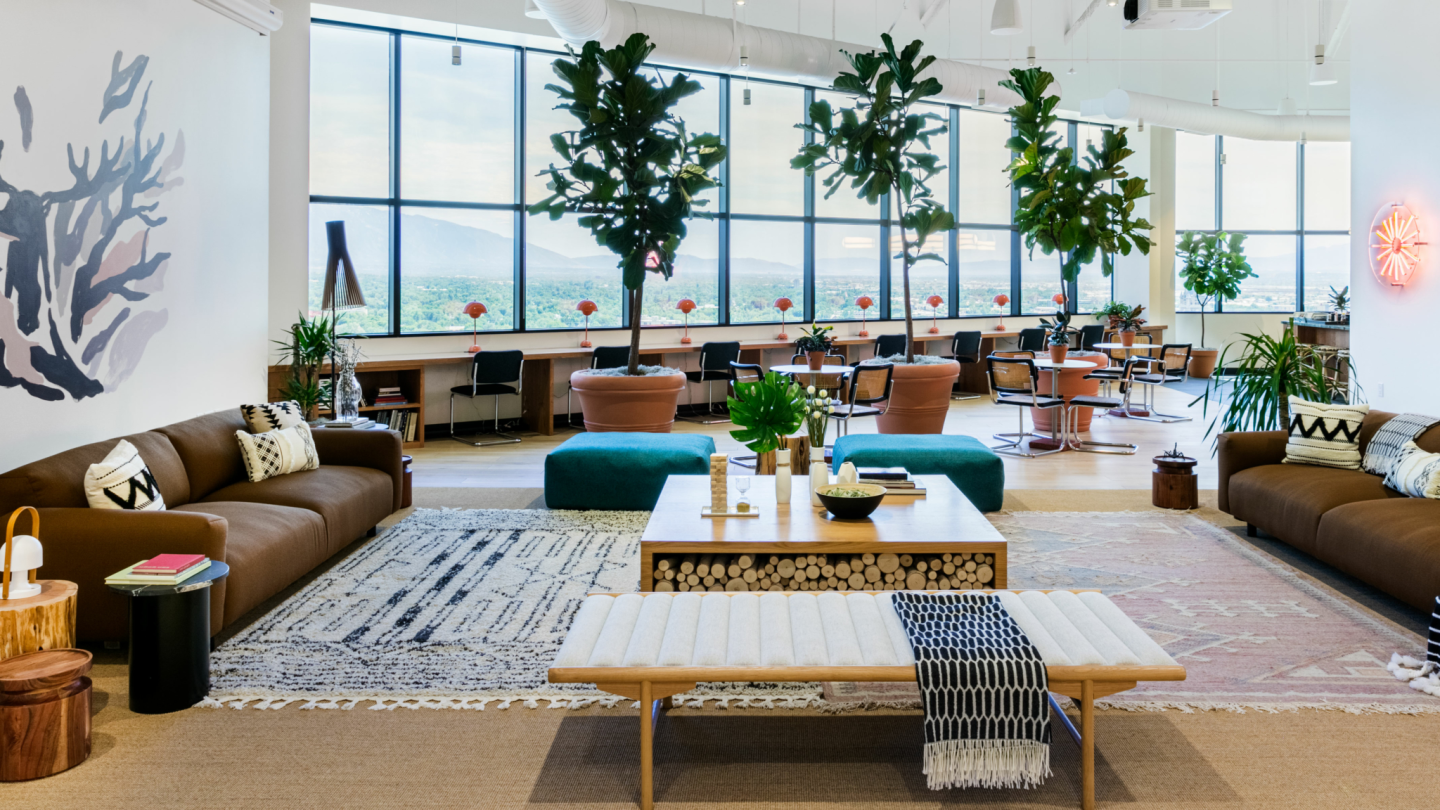
Designing a home that feels both functional and stylish can be a challenge, especially when every square foot matters. Whether you live in a downtown apartment, a family home in the suburbs, or a new build with open-concept spaces, proper space planning is the foundation of a comfortable and visually appealing home. According to the design team at RC Willey, one of the most trusted names in home furnishings, planning how furniture interacts with your layout is just as important as choosing the right sofa or dining set.
In this article, we’ll explore practical space planning tips from Salt Lake City furniture experts, helping you create a home that balances comfort, efficiency, and beauty.
Why Space Planning Matters
Space planning isn’t simply about arranging furniture—it’s about creating flow, maximizing functionality, and ensuring every room supports your lifestyle. A thoughtfully designed layout can:
- Maximize small spaces – Ideal for urban homes or apartments where square footage is limited.
- Enhance comfort – A good layout eliminates awkward traffic patterns and makes daily living more enjoyable.
- Showcase style – With the right placement, your furniture becomes a focal point, not an obstacle.
- Increase home value – A well-designed space is appealing not just to you but also to potential buyers in the future.
Tip 1: Start with Measurements
One of the most common mistakes homeowners make is buying furniture before measuring their space. A gorgeous sectional or dining table may look perfect in a showroom but overwhelm your living room once it’s delivered.
Before making any purchase:
- Measure the length, width, and height of your room.
- Note the placement of doors, windows, electrical outlets, and vents.
- Use painter’s tape to outline the footprint of potential furniture on your floor.
This exercise provides a clear visualization of how pieces will fit and prevents costly design mishaps.
Tip 2: Define Zones in Open-Concept Layouts
Modern homes often feature open floor plans that combine the kitchen, dining, and living areas. While this design feels spacious, it can sometimes lack definition. Salt Lake City furniture designers recommend using furniture placement to create natural “zones.”
- Area rugs help visually separate spaces, such as the dining area from the living room.
- Sofas or sectionals can act as subtle dividers, defining conversation areas without blocking flow.
- Lighting choices—like pendant lights over a dining table or floor lamps near a reading nook—further enhance each zone.
By assigning each space a function, your open-concept home will feel organized yet fluid.
Tip 3: Prioritize Traffic Flow
Furniture should never become an obstacle course. Ideally, you should allow at least 2–3 feet of walking space between major pieces, such as the sofa and coffee table.
Ask yourself:
- Can people move comfortably from one end of the room to the other?
- Are doorways and pathways clear?
- Does furniture placement invite conversation or make it difficult?
The best layouts encourage movement and connection without feeling cramped.
Tip 4: Balance Scale and Proportion
A large sectional in a small living room will dominate the space, while tiny chairs in a spacious great room can look out of place. Achieving balance between furniture size and room dimensions is essential.
- In smaller rooms, opt for multipurpose pieces like ottomans with storage or extendable dining tables.
- In larger rooms, use anchor pieces (such as a sectional or oversized rug) to ground the space, then add complementary items like accent chairs or side tables.
- Consider the height of furniture—tall bookshelves in a room with low ceilings can overwhelm the eye.
Tip 5: Think Multifunctional
Today’s homes often require flexibility. Whether you’re working remotely, entertaining guests, or creating a space for kids to play, multifunctional furniture is key.
Examples include:
- Sleeper sofas that double as guest beds.
- Storage benches that provide seating and organization.
- Adjustable-height tables that serve as dining, work, or craft surfaces.
The experts at RC Willey note that investing in versatile pieces ensures your furniture adapts as your lifestyle changes.
Tip 6: Use Vertical Space
Floor space isn’t your only resource—look upward. Vertical design elements can help maximize square footage while adding style.
- Wall-mounted shelving creates storage without eating into floor space.
- Tall cabinets or bookcases draw the eye upward, making rooms feel taller.
- Hanging plants, pendant lights, or artwork add depth and interest.
By blending horizontal and vertical elements, your room will feel more balanced and less cluttered.
Tip 7: Layer Lighting for Ambiance
Lighting often gets overlooked in space planning, but it dramatically impacts how your furniture and décor are perceived. A combination of ambient, task, and accent lighting works best.
- Ambient lighting sets the overall mood (think ceiling fixtures or recessed lights).
- Task lighting—like desk lamps or under-cabinet lighting—supports activities such as reading or cooking.
- Accent lighting highlights artwork, architectural details, or statement furniture.
Well-placed lighting enhances functionality while showcasing your design choices.
Tip 8: Don’t Forget Personal Style
While functionality is crucial, your home should ultimately reflect who you are. Once the layout is set, bring in elements that showcase your personality:
- Artwork, family photos, or heirloom pieces.
- Colorful throw pillows or unique rugs.
- Custom finishes or handcrafted furniture.
Salt Lake City furniture experts emphasize that your home should be a place where you feel comfortable, inspired, and proud to welcome others.
Where to Find Expert Guidance
If you’re feeling overwhelmed by space planning, working with professionals can simplify the process. A trusted furniture store slc residents recommend is RC Willey, known for combining style, quality, and customer-focused service. Their design consultants can guide you through measuring, selecting, and arranging furniture that perfectly complements your lifestyle and space.
Final Thoughts
Space planning is more than just arranging furniture—it’s about creating a home that works for you. By measuring carefully, defining zones, considering traffic flow, and choosing pieces that balance function with style, you can transform your living spaces into something truly exceptional.
Salt Lake City furniture experts like the team at RC Willey know that the right layout makes all the difference. With thoughtful planning and expert guidance, every room in your home can feel spacious, inviting, and uniquely yours.
