
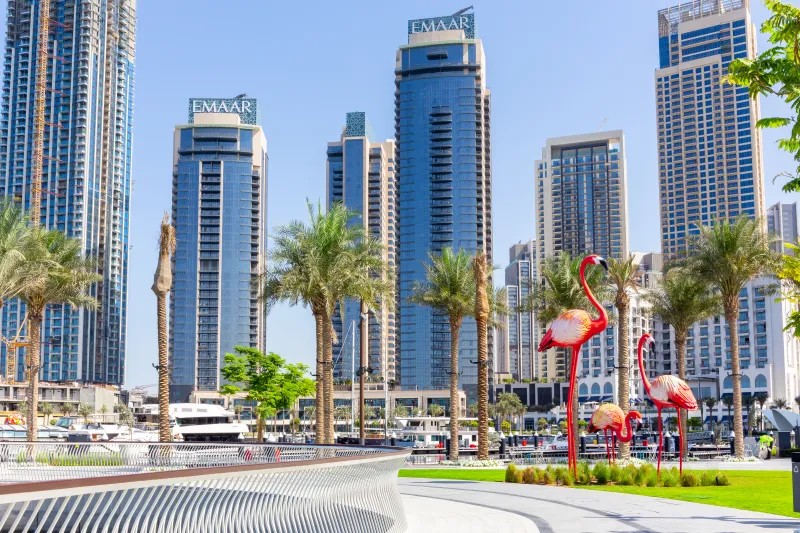
Dubai has long been synonymous with high-rise living. From the record-breaking Burj Khalifa to the sleek towers of Dubai Marina, the city has built a global reputation on vertical ambition. However, a quiet but impactful shift is underway in the urban design landscape: the emergence and growing popularity of mid-rise residential communities. This trend is reshaping what it means to live in Dubai, particularly for those seeking balance, luxury, and a more human-scaled urban experience.
Why the Shift? Changing Preferences in a Post-Pandemic World
The shift from high-rise to mid-rise living in Dubai is not just an architectural trend—it reflects deeper societal and lifestyle changes. Post-pandemic, residents across the globe have reprioritized space, access to nature, and a sense of community. Dubai is no exception. People want homes that provide privacy and comfort but also allow them to remain connected to the outdoors and to their neighborhoods.
Mid-rise buildings—generally between 4 to 10 floors—offer the perfect compromise. They maintain urban density without the impersonal scale of skyscrapers. Residents can still enjoy high-end amenities and views, but in a more accessible, walkable, and community-oriented environment.
Urban Design: A New Vision for Livable Luxury
Dubai’s urban planners and developers have started responding to these shifting demands by creating thoughtfully designed mid-rise communities. Projects like Dubai Hills Estate, MBR City, and Jumeirah Village Circle have embraced this model. These developments combine mid-rise buildings with green spaces, walkable streets, and integrated retail and dining options. The result is a neighborhood feel without compromising on elegance or convenience.
This new design philosophy emphasizes livability—an element often overlooked in the race to build higher. It fosters connection, sustainability, and wellness. Courtyards, rooftop gardens, shaded promenades, and community centers are becoming standard features in many new luxury developments.
Space, Light, and Lifestyle
Mid-rise living typically allows for larger unit footprints, higher ceilings, and more natural light. For families, these spaces are especially appealing, offering room to grow without the limitations of tight high-rise layouts. In areas like Meydan and Al Barari, mid-rise developments offer luxury apartments with floor-to-ceiling windows, private terraces, and views of landscaped gardens or water features—an attractive alternative to being 50 stories above ground with little access to outdoor space.
This format also supports the growing trend of remote and hybrid work. Buyers and tenants increasingly demand multifunctional homes with dedicated office space, access to nature, and reliable infrastructure. Mid-rise buildings with community-focused amenities meet these needs more naturally than densely packed skyscrapers.
Sustainability and Environmental Benefits
Another factor driving this architectural pivot is sustainability. High-rises typically consume more energy for cooling, elevators, and maintenance. In contrast, mid-rise structures are more efficient, making them more attractive for developers focused on green building standards and LEED certifications.
Dubai’s 2040 Urban Master Plan supports this move by encouraging low- to mid-density development in certain areas, preserving natural landscapes and promoting walkable communities. These principles align perfectly with mid-rise design, further solidifying its place in the city’s future blueprint.
Luxury Property in Dubai: Mid-Rise Gets an Upgrade
It’s important to note that mid-rise does not mean mid-tier. On the contrary, some of the most sought-after luxury property in Dubai now comes in mid-rise form. Developers are focusing on exclusivity, custom design, and boutique amenities. From private beach access in Jumeirah to smart-home integration in Business Bay’s new residential enclaves, the luxury market is expanding horizontally, not just vertically.
Mid-rise developments are also more adaptable for niche segments. Whether it’s retirement living, wellness-focused communities, or branded residences with hotel-style services, the mid-rise format allows developers to create targeted, curated experiences that are difficult to replicate in massive high-rises.
A Glimpse Into the Future
While high-rises will always have their place in Dubai’s iconic skyline, the move toward mid-rise living signals a maturing market—one that prioritizes people, lifestyle, and sustainability alongside luxury and innovation.
Buyers and renters alike are looking for more than just status symbols. They want homes that align with their values, offer a sense of belonging, and provide a well-rounded living experience. As Dubai continues to diversify its real estate offerings, the rise of mid-rise developments will likely play a defining role in shaping the city’s next chapter.
For those exploring luxury property, mid-rise living presents a compelling, forward-thinking alternative—offering space, style, and substance in equal measure.
