
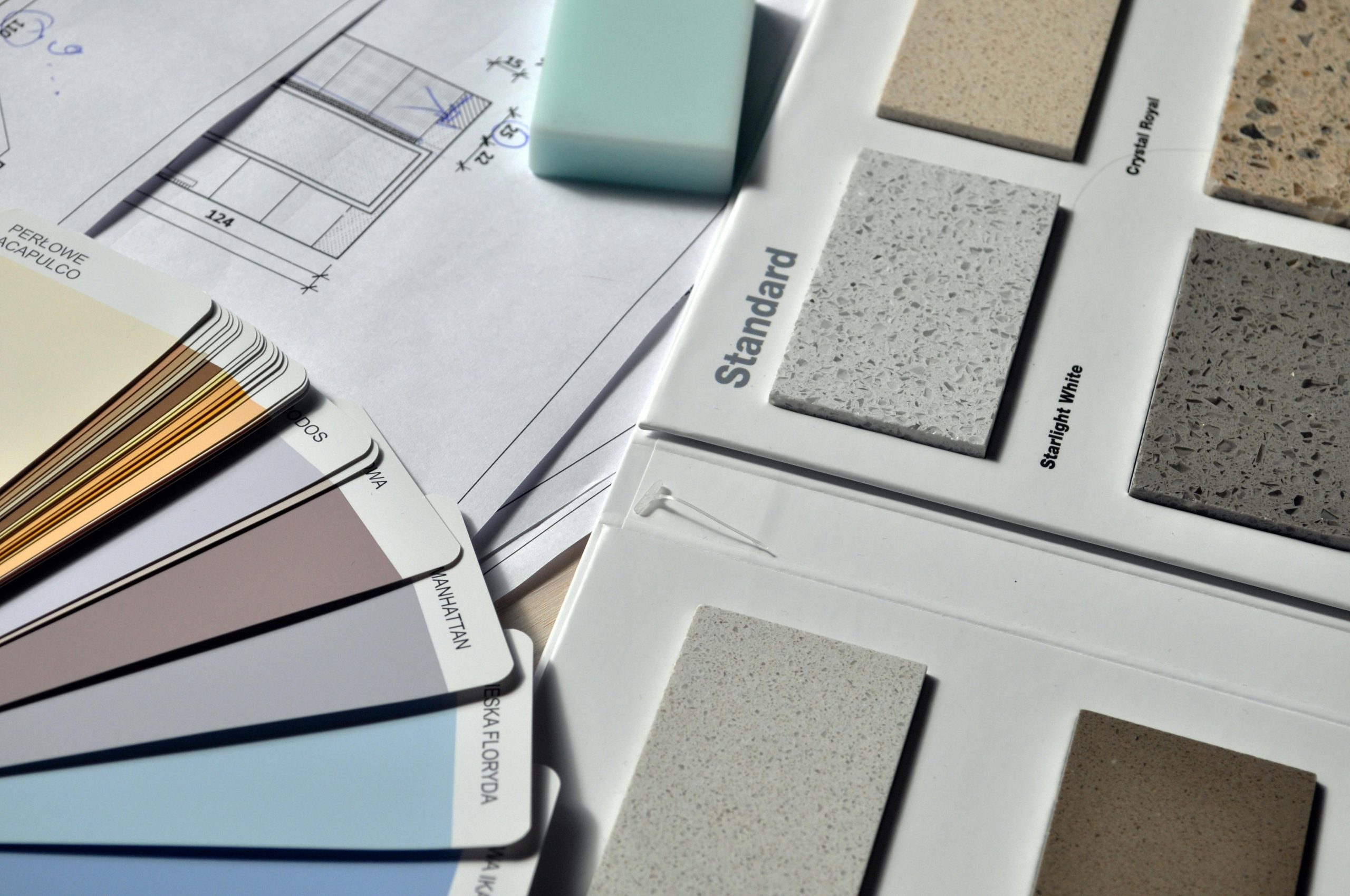
Home renovations can be both exciting and overwhelming, especially when you’re trying to balance quality with cost. Many homeowners start with a clear vision but quickly realize that expenses can spiral out of control if not managed carefully. The good news is that with strategic planning and smart decision-making, you can achieve a beautiful, functional space without sacrificing quality. Here are practical tips to help you optimize your renovation budget while ensuring lasting results.
Start with a Detailed Plan and Priorities
The foundation of any successful renovation is a well-thought-out plan. Begin by listing your goals and identifying which areas of the home need the most attention. Separate your must-haves from your nice-to-haves to avoid overspending on features that don’t add significant value. A clear plan helps you allocate funds where they matter most, such as structural improvements and essential systems. When priorities are defined early, you can make informed choices that keep your project on track financially and aesthetically.
Invest in Quality Where It Counts
Not every element of your renovation needs to be top-of-the-line, but certain areas deserve a higher investment. Structural components, plumbing, electrical systems, and roofing are examples of features that impact safety and longevity. Cutting corners on these essentials can lead to costly repairs down the road. For instance, if your roof shows signs of wear, incorporating roof replacement into your budget is a smart move. A durable roof protects your home from water damage and energy loss, making it a worthwhile investment compared to cosmetic upgrades that can be adjusted later.
Explore Cost-Saving Alternatives Without Compromising Style
Maintaining quality doesn’t mean you have to choose the most expensive materials. Many affordable alternatives mimic the look and feel of premium options without the hefty price tag. For example, engineered wood flooring offers the warmth of hardwood at a fraction of the cost, and quartz countertops provide durability similar to natural stone without the same expense. Shopping during seasonal sales or sourcing materials from local suppliers can also help you save. The key is to balance aesthetics with practicality so your home looks great and functions well within your budget.
Plan for Hidden Costs and Build a Cushion
Unexpected expenses are common in renovations, especially when dealing with older homes. Issues like outdated wiring, plumbing leaks, or structural weaknesses often surface once work begins. To avoid financial stress, set aside 10 to 20 percent of your total budget as a contingency fund. This cushion allows you to address surprises without compromising the quality of your project. By planning for the unexpected, you maintain control over your finances and ensure the renovation stays on schedule.
Work with Professionals Who Understand Your Budget Goals
Hiring experienced contractors and designers can actually save you money in the long run. Professionals know how to source materials efficiently, avoid costly mistakes, and adhere to timelines. When interviewing potential partners, be upfront about your budget and expectations. A good contractor will help you find creative solutions that align with your financial limits while maintaining quality standards. Clear communication and transparency are essential for building trust and achieving the results you want without overspending.
Conclusion
Optimizing your home renovation budget while maintaining quality is all about planning, prioritizing, and making smart choices. By investing in critical areas, exploring cost-effective alternatives, preparing for hidden expenses, and working with trusted professionals, you can create a space that meets your needs and reflects your style without breaking the bank. A thoughtful approach ensures your renovation enhances both the beauty and functionality of your home, delivering value that lasts for years to come.
