
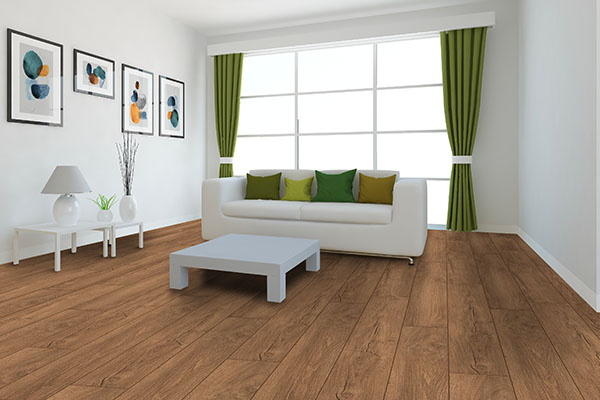
Luxury Vinyl Tile, or simply LVT, is exactly what it sounds like: high-end vinyl that resembles tile or wood but with far more resistance from the everyday wear and tear. Think marble, oak, slate, or stone. Due to their texture surface and high-definition printed surface, these planks and tiles are completely indistinguishable from natural material. It’s perfect for situations where you want the look of stone or wood without the fuss.
Clever Construction behind the Beauty
LVT isn’t just a pretty face. It’s built in layers—typically a core of vinyl, a design layer, a transparent wear protective layer, and occasionally a cushion backing. Some more recent iterations even include cork underlay or reclaimed materials, so they’re kinder to the planet and still tick all the practical boxes. And it’s just 2–8 mm thick, but it’s tough—some companies even put limestone powder in the core for extra stability.
Why Homeowners are Falling for It
- Practicality meets elegance
It’s waterproof, stain-proof and scratch-proof—perfect for bathrooms, kitchens, and high-traffic hallways. Just the thing when your cat tips over the plant pot or someone has spilled the wine.
- Warm and quiet underfoot
LVT, unlike stone or ceramic tiles, offers a warm, cushioned feel. Walking on it is far more pleasant, especially if you’ve got kids, pets, or underfloor heating.
- Sensible on cost
Even though it’s not the cheapest option, LVT gives luxury looks without the indulgence of authentic stone or wood. You get serious style for a fraction of the price.
- Fashion freedom unlimited
There are lots of styles, ranging from traditional oak-look boards to bold slate- or marble-effect tiles. Co-ordinate any style of decor—nowt but modern chic, cozy cottage, you name it.
- Relatively easy to install
Many LVTs join together just like laminate, so DIY installation is on the agenda (as long as your subfloor’s nicely even). Glue down options are also available for an even more fixed-in-place finish.
Check out the full range of LVT and other flooring options, like laminate, at Flooring Factory. They provide premium flooring at low-cost prices.
- Simple maintenance
A quick sweep or mop, and your floor is good as new all over again. No sealers, waxes, or special cleaners are necessary—just a damp mop and mild soap every so often.
Other Things to Remember
- Repairing is awkward. Damage means lifting up a tile or plank and replacing it; you can’t sand it out.
- Not bulletproof. The cheaper options have a plasticky feel. If the real thing is important, invest in the higher-priced prints and textured upper surface.
- Mind the base. Your floors need to be flat and dry; LVT won’t cope with uneven bases.
LVT vs laminate—what’s the difference?
They even mimic wood or stone—Laminate is built with both a high-density fiberboard (HDF) core and LVT uses vinyl (with incorporated limestone or wood composite in some areas). Vinyl core means enhanced water resistance, cold in summer and resistant. Laminate will warp when damp but LVT remains cool—thus better for wet areas.
In which areas does LVT perform well?
Anywhere! It’s great for kitchens, bathrooms, utility rooms—and even cafes and offices because of its commercial-grade models. Underfloor heating? It’s no problem. Kids, pets, and lummoxes in the way? No problem.
Final Words
LVT is just what you need if you love the aesthetic of wood or stone yet you prefer a waterproof, hassle-free floor that you can install and maintain without any hassle. This works well for almost every room in your home because it satisfies all the criteria of appearance, touch, durability, and even budget.
So consider LVT the next time you’re thinking about flooring. It’s contemporary, practical, and offers you all the advantages—with none of the terror or expense of natural materials.
