
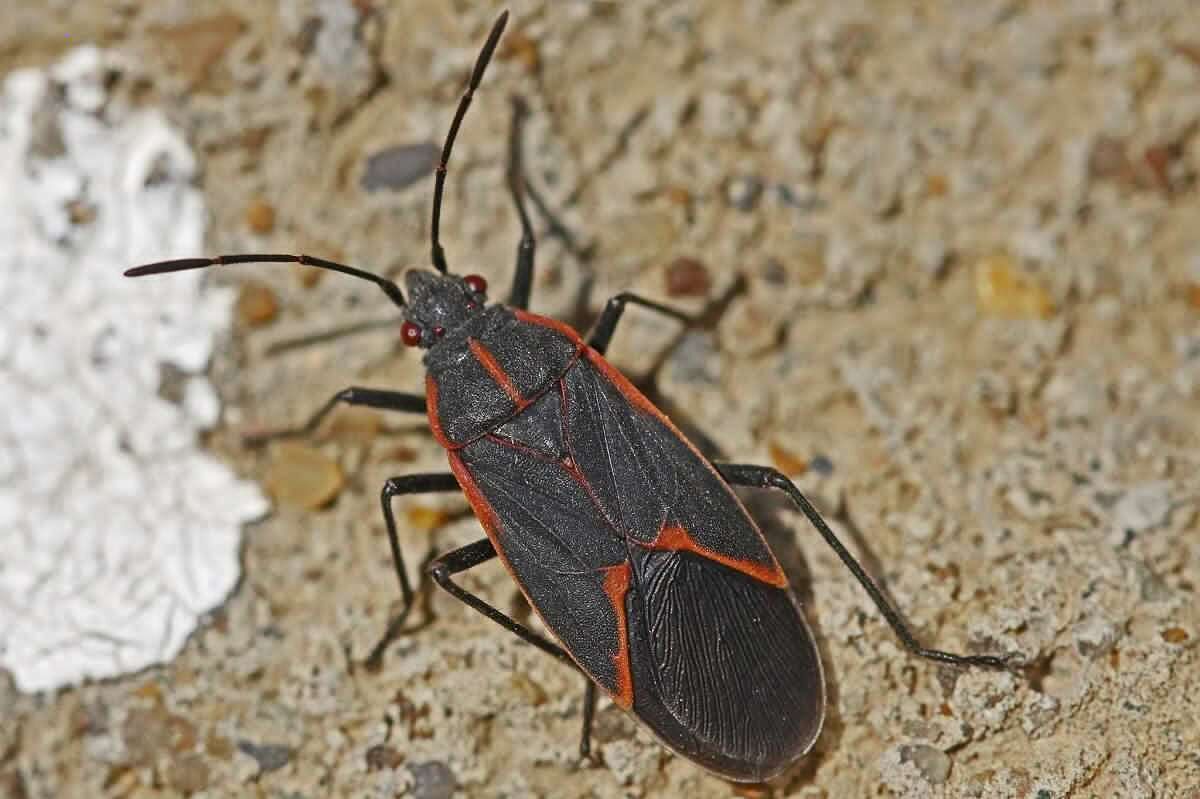
It’s weird to think about, but most houses are way more welcoming to bugs than they are to people. A warm, quiet place with food, water, and places to hide? That’s a dream setup—for pests.
And if you live in a place like St. Louis, Missouri, that dream gets even better for them. With hot summers, rainy springs, and older buildings in many neighborhoods, it’s the perfect combo for bugs to move in and make themselves at home. The only problem is, they weren’t invited—and they’re definitely not paying rent.
Bugs Love the Basics: Warmth, Food, and Water
No bug moves into a house just for fun. They’re looking for three simple things: a warm space to live, easy access to water, and something to eat. Your home offers all of that—without the danger of predators, cold weather, or getting stuck out in the open.
Here’s how your house checks their boxes:
- Warm spots behind appliances or inside walls
- Dripping pipes or soggy basements
- Crumbs on the floor, food spills, or open trash bins
Even the cleanest homes can have bug problems. It only takes a small crack in a wall or a loose window screen to let them inside. Once they’re in, they find what they need fast—and they won’t leave on their own.
St. Louis Is a Bug’s Best Friend
Some cities just attract more pests than others. St. Louis is one of them, mostly because of the weather. Bugs thrive in warm, humid places, and the Midwest climate creates the perfect conditions year-round. That’s especially true for one pest that causes more damage than most people realize: termites.
Termites don’t crawl on kitchen counters or buzz around lights. They stay hidden. They move inside walls and chew on wood without making a sound. Most people don’t notice they’re there until it’s too late—and by then, the damage is serious.
Calling in a local pest control service early on makes a huge difference. Experts know how to spot signs of termite activity, even when there’s no visible damage yet. And in a place where termites are a constant threat, that kind of backup is a smart move.
Termites Don’t Stop at the Surface
Unlike ants or cockroaches that usually show up in kitchens or bathrooms, termites go deep. They eat the wood inside your house, from the floorboards to the ceiling beams. That’s not just a gross thought—it’s a big safety issue.
Here’s where termites often attack:
- Wood framing in basements and crawl spaces
- Door frames and window sills
- Wooden furniture
- Hardwood floors and wall studs
Even if they’re hidden, termites leave tiny clues. Look for small piles of wood dust, soft spots in walls, or paint that’s bubbling or peeling. Seeing discarded wings near windows is another sign—they drop them after finding a place to settle.
Once termites start eating, they don’t stop. The longer they go unnoticed, the worse the damage gets.
Not Just Termites: Other Pests That Sneak In
While termites are a huge concern, other bugs love your house too. Each one brings its own kind of trouble.
- Ants follow food trails and build huge colonies inside walls.
- Roaches spread germs and hide in warm, dark places.
- Spiders move in where there are other bugs to eat.
- Silverfish feed on glue, paper, and old books.
- Wasps build nests in attics or under eaves.
They all have different goals, but the same idea: your house has what they want, and they’re staying until forced out.
Here’s How to Kick Them Out
Getting rid of bugs means making your home as boring and hard to live in as possible—for them, not you.
- Seal the Gaps
Even the smallest crack can be a front door to a pest. Use caulk, weather strips, or door sweeps to close off entry points. - Stop the Leaks
Bugs need water. Fix dripping faucets, leaky pipes, and clogged gutters to cut off their supply. - Clean Up Quickly
Don’t let crumbs or food sit out. Wipe counters, store food in sealed containers, and take out the trash often. - Clear the Clutter
Piles of boxes, old clothes, or paper give pests places to hide. Less clutter makes your home less appealing. - Get Professional Help
Some bugs are too sneaky to handle with store-bought sprays. Pest control experts know what to look for, especially in bug-heavy areas like St. Louis.
Why Waiting Makes Things Worse
It’s easy to ignore bugs until they’re crawling on the ceiling or flying across the room. But the real danger is the stuff you don’t see. Termites can quietly ruin the structure of a house. Roaches can spread bacteria just by walking across a counter. Wasps can build nests that become dangerous if disturbed.
The longer you wait, the harder and more expensive it becomes to fix. What starts as a small problem can turn into major damage, pest-related health issues, or repairs that take weeks to finish.
That’s why it’s smart to stay ahead of it. A quick inspection or a regular pest prevention service can catch problems early—before they turn into disasters.
A Home That’s Yours (Not Theirs)
No one wants to think about bugs crawling inside the walls or under the floor. But ignoring it doesn’t make them go away. Bugs will always look for a safe place to live—and they’re not picky. They don’t care how clean or fancy a house is. If it has what they need, they’ll move in.
The good news is, they can be stopped. It just takes knowing what they’re after and making sure they can’t get it. Whether it’s termites silently chewing through the floorboards or ants turning your pantry into a snack bar, a few small changes (and some professional help) can protect your space.
After all, your house should be a home. Not a bug hotel.
