
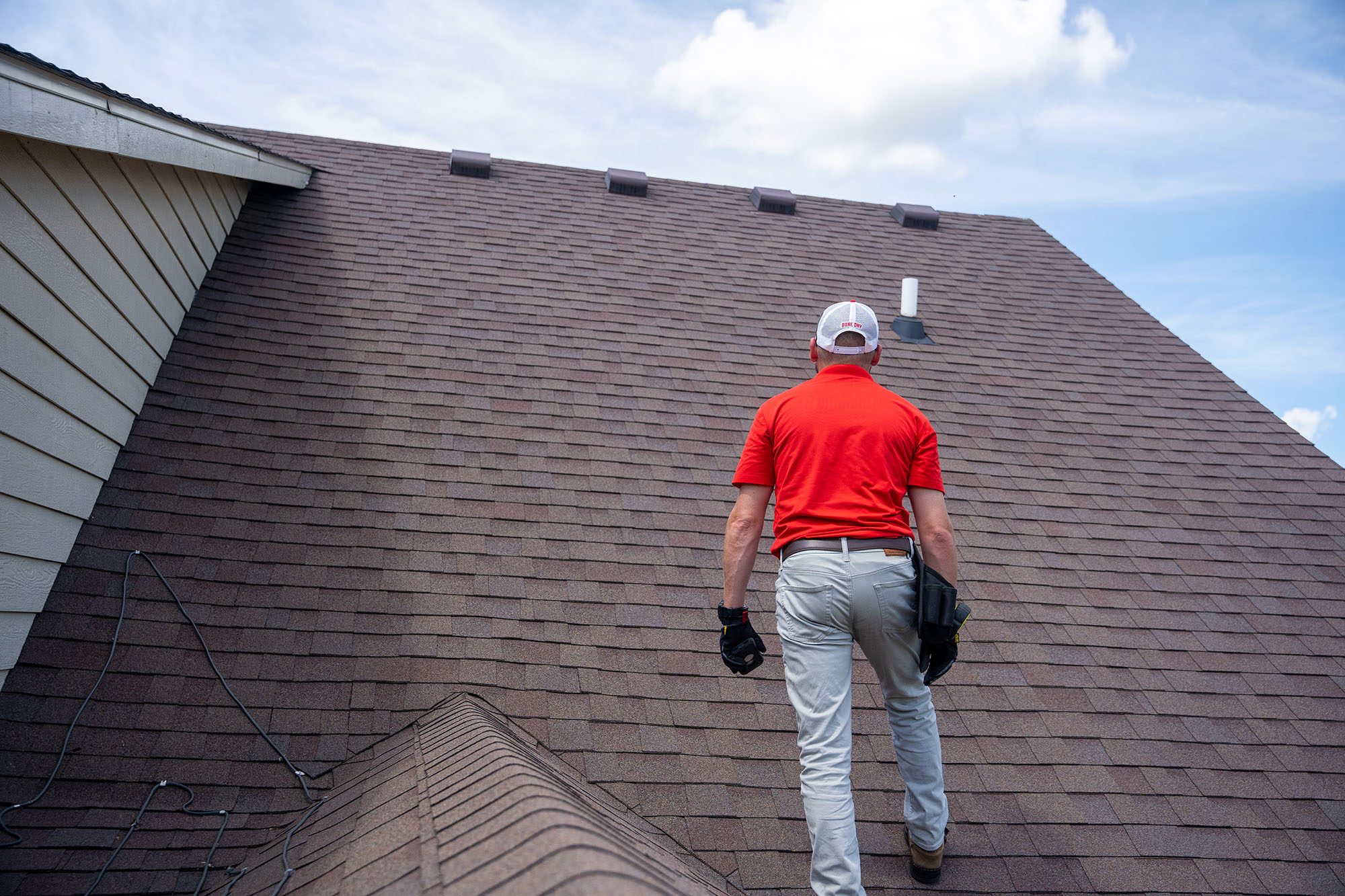
A strong and dependable roof matters in every part of the country, but in cities like Lexington and Nicholasville, it plays an even more important role. With the region’s mix of heavy rainfalls, occasional snow, and high temperatures, roofing systems face a wide range of challenges. Poor installations or substandard materials can result in issues that affect the entire structure of a building. This article explains why choosing quality roofing services is essential for long-term safety and performance.
Structural Integrity and Code Compliance
Quality roofing services in Lexington and Nicholasville begin with a careful check of the roof’s framing and support beams. They make sure they meet local code standards. When corners are cut during construction or repairs, the structure may not pass inspections or handle severe weather reliably. Taking time to follow approved engineering practices reduces the risk of roof failure and ensures long-term durability.
Roof Decking and Substrate Soundness
The flat surface under the visible roofing material, known as decking, must remain stable over time. When roofs in Kentucky are exposed to moisture, temperature shifts, and debris, weak decking can bend, crack, or rot. Quality roofing work includes checking that the material beneath the shingles or panels is clean, dry, and firmly attached. If problems are noticed, damaged sections are replaced to prevent larger issues from forming.
Flashing System Performance
Flashing protects joints and connections from letting in water. Around chimneys, skylights, vents, and along roof valleys, flashing materials seal off openings where leaks could begin. In the Lexington and Nicholasville region, where sudden downpours can occur throughout the year, flashing must be properly cut, applied, and sealed. When rushed or incorrectly installed, even the best materials cannot keep moisture out.
Drainage System Standards
Water must leave the roof in a controlled manner. Without a proper path for rain and melting snow, damage builds up quickly. Gutters, downspouts, and edge systems all work together to move water toward the ground and away from walls and foundations. Roofers who understand the typical rainfall patterns of Lexington and Nicholasville consider pitch, positioning, and water volume handling during drainage system design.
Material Installation Guidelines
Roofing materials come with instructions from manufacturers on how they should be placed and fastened. From the spacing of nails to underlayment types, every step influences the performance guarantees attached to shingles, tiles, or metal panels. Sticking to these instructions is vital in Kentucky’s mixed climate, where wind and heat shifts may cause weak points to appear. Quality services stay informed about updates in material guidelines.
Ice Barrier and Weather-Resistant Assemblies
During the colder months, temperature changes can lead to ice dams forming along the roof’s lower areas. These dams hold back melting snow, allowing water to seep under shingles and into the home. For properties in Lexington and Nicholasville, especially those with low slopes or shaded areas, proper ice barriers are a layer of protection that helps prevent water damage in winter. Quality roofing includes the use of water-resistant materials in key areas where slopes meet walls and valleys form. These steps help control leaks and buildup during cold conditions.
Quality roofing services in Lexington and Nicholasville matter a lot because they pay the utmost attention to detail, respect the local building laws, and have a full understanding of how local climate conditions affect each part of a roof system. When poor materials are used or shortcuts are taken, the effects can be costly and long-lasting. Professionals build complete systems supported by strong installation techniques and technical knowledge.
