
A solid foundation is essential to the structural integrity of any home or commercial property. When cracks start to appear in walls, doors no longer close correctly, or floors begin to slope, it may be time to schedule a foundation inspection. But what happens during this process? Understanding the steps involved can provide homeowners with clarity and a sense of peace of mind. Whether you are planning a home purchase or suspect issues in your current property, this guide breaks down what to expect during a professional foundation inspection. It also highlights why timely assessments can prevent the need for costly foundation repair Ottawa or structural repair Ottawa services in the future.
Initial consultation and visual assessment
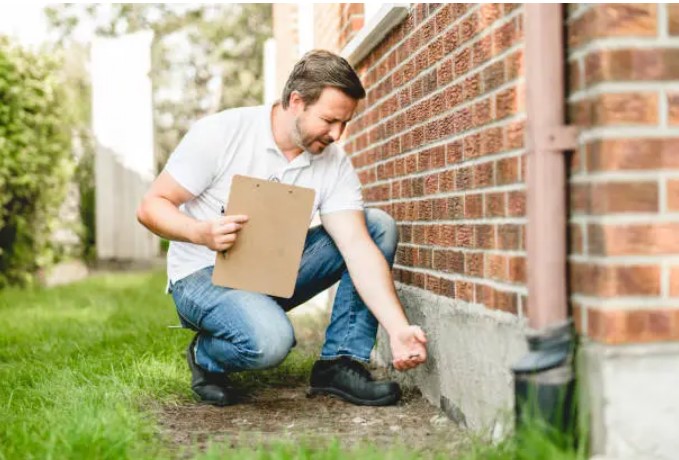
The foundation inspection process typically begins with a consultation, which can be conducted either in person or over the phone. The inspector will ask about any signs you have noticed, such as wall cracks, uneven flooring, or sticking doors and windows. Upon arrival, the inspector conducts a visual inspection of both the interior and exterior of the building. They look for common signs of foundation movement or damage, including:
- Diagonal cracks near windows or doors
- Gaps between walls and ceilings
- Exterior brickwork separation
- Foundation wall bowing or bulging
These visual cues provide initial indicators that foundation repair Ottawa services might be necessary.
Elevation measurements and floor level analysis
Following the visual inspection, the next step involves taking elevation measurements of the floor. This helps determine if any parts of the structure are settling unevenly. Inspectors use precision tools such as laser levels or digital levels to map the floor’s elevation across different areas of the house.
If notable differences are recorded, this can point to foundation settlement or heaving. In many cases, this kind of detailed floor mapping is essential to support further analysis and planning for structural repair Ottawa.
Inspecting crawl spaces and basements
If your home includes a crawl space or basement, the inspector will examine these areas closely. They check for excessive moisture, mold, wood rot, or soil movement—issues that often go unnoticed but have serious implications for the foundation.
Visible signs of shifting footings, standing water, or deteriorating piers are red flags that might indicate the need for urgent foundation repair Ottawa solutions. Additionally, the presence of pests or poor drainage can contribute to long-term damage.
Checking surrounding landscape and drainage
Foundation health is not only about what is under your home, but also what surrounds it. During a foundation inspection, professionals examine the grading of the property, gutter systems, and any nearby trees or water sources. Improper drainage and aggressive root systems can cause erosion or pressure buildup that affects your foundation over time.
Correcting these external issues may be part of a larger structural repair Ottawa plan to protect the building in the long term.
Providing a detailed report and repair recommendations
After completing the inspection, the professional compiles a report summarizing all findings. This report typically includes photos, elevation measurements, and observations along with recommended next steps. If concerns are found, the inspector will outline whether foundation repair Ottawa or broader structural repair Ottawa services are necessary.
The report is valuable not only for immediate repairs but also for real estate negotiations or long-term maintenance planning.
Conclusion: Why inspections matter
Foundation inspections are crucial in identifying hidden structural issues before they worsen. By detecting early signs of damage and recommending appropriate foundation repair Ottawa or structural repair Ottawa actions, these assessments protect your property investment and ensure safety. If you are noticing signs of foundation distress or simply want peace of mind, scheduling a professional inspection is a smart first step.
