
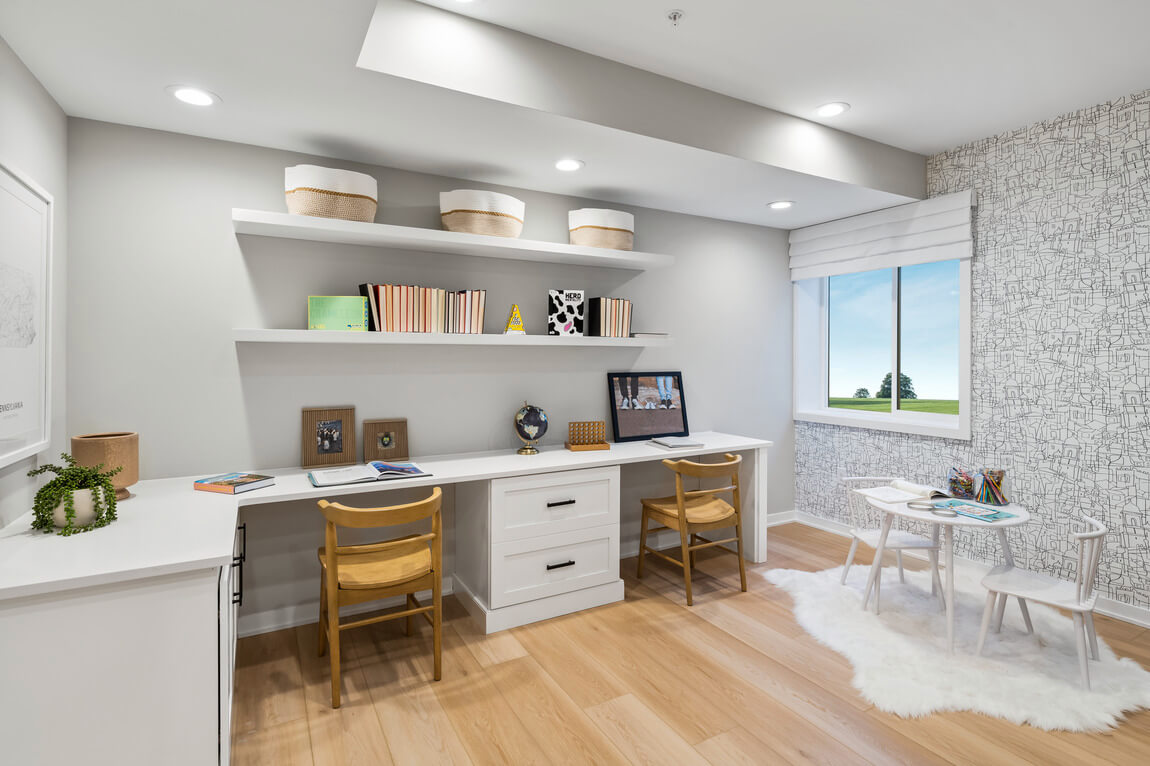
Working from home has completely transformed the way families live, interact, and manage their daily routines. For many parents, the dining table quickly became a makeshift office, while children adapted to remote learning or evening homework sessions from the family sofa. However, as flexible working arrangements and hybrid learning models become a permanent fixture in modern life, families need a much more sustainable solution. Especially in urban areas where square footage is at a premium, designing a productive shared home office for the whole family is a highly practical choice. It is not just about squeezing multiple desks into a single spare room. It requires thoughtful planning, smart design choices, and a commitment to ensuring everyone has the focus and comfort they need to succeed in their respective tasks.
Defining Zones in a Multi-Purpose Room
The secret to a highly functional shared workspace is establishing clear boundaries from the very beginning. Even in a small room, you can create distinct zones for adult professional work and children’s study activities. Start by assessing the foundation of your environment, looking closely at both the physical layout and the sensory elements of the space. For instance, understanding how lighting impacts mood and function is absolutely essential when positioning your workstations. Natural light from a nearby window is ideal for maintaining focus and regulating circadian rhythms, while focused task lighting helps prevent eye strain during dark evening work sessions.
Beyond lighting, you can visually separate the corporate zone from the homework station using clever design techniques. Painting distinct accent walls or using strategically placed floor rugs can instantly delineate different areas. This visual separation helps children subconsciously understand when it is time to concentrate, whilst simultaneously giving parents a sense of a dedicated professional environment devoid of toys or school crafts.
Prioritising Ergonomics for Every Age
A visually appealing room will not sustain long-term productivity if the furniture causes physical discomfort. Adults often invest heavily in premium office chairs and standing desks, but they sometimes overlook the specific postural needs of their children. Standard adult tables often lead to poor posture, back strain, and a noticeable lack of focus in younger users. For families seeking specialised spatial solutions, exploring ergonomic options like a tomatokidz study desk provides children with height-adjustable surfaces that actively grow alongside them. This ensures they maintain healthy spinal alignment while completing their schoolwork.
Once the children’s area is properly outfitted, parents can fully appreciate the biological advantages of good posture for the whole family. According to the Occupational Safety and Health Administration, proper ergonomics lessens muscle fatigue and increases productivity, a foundational principle that applies just as strongly to a developing child as it does to a working adult logging a typical nine-to-five shift. Implementing these health-focused workstation adjustments ultimately reduces restlessness and allows parents to focus deeply on their own tasks without dealing with constant complaints of discomfort from across the room.
Strategies for Maintaining Harmony
Once the physical space is beautifully designed and ergonomically equipped, the next major challenge is managing the daily workflow of multiple people sharing one room. A shared home office requires mutual respect and clear communication to function smoothly on a daily basis. To maximise household harmony and minimise frustrating disruptions, you should consider implementing a few straightforward rules and clever organisational tools.
Here are several proven strategies to keep the shared workspace productive for everyone:
- Establish a quiet hours schedule: Coordinate your most demanding professional video calls or meetings with your child’s quiet reading time or focused study periods.
- Invest in acoustic solutions: Use high-quality noise-cancelling headphones for both parents and older children to effectively block out unavoidable background chatter and typing sounds.
- Implement smart storage options: Provide separate mobile drawer units or colour-coded filing cabinets for each family member to keep the main desk surfaces completely clear of messy clutter.
- Create a strict break system: Encourage everyone to leave the room for lunch or afternoon snacks, ensuring the office remains a dedicated zone strictly for focus rather than leisure or dining.
Reaping the Benefits of a Family Office
Transitioning to a shared workspace can initially seem slightly daunting, but it offers incredible, long-lasting benefits for the entire household. Beyond simply saving space, it allows parents to actively model strong work habits, teaching children the immense value of focus and discipline by direct example. When you combine defined physical boundaries, supportive ergonomic furniture, and clear daily routines, you create an environment where both ambitious careers and early education can genuinely thrive together. By investing time and effort into the right layout today, you will build a highly versatile room that supports your family’s professional and academic growth for many years to come.
