
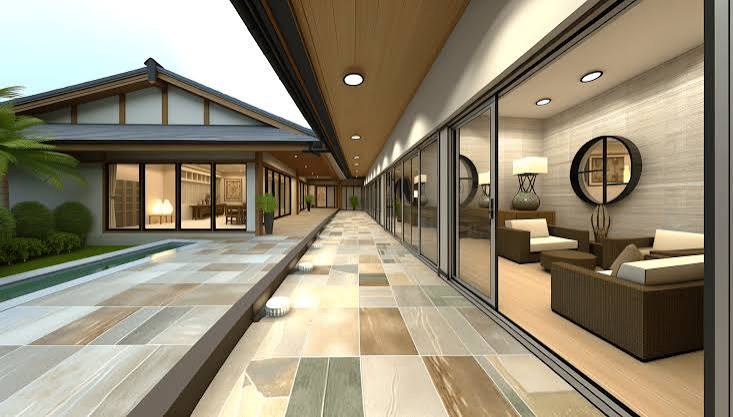
Outdoor living spaces are most successful when they feel like a natural extension of the home. They should offer comfort, structure, and flow, creating environments that are both beautiful and practical. One of the most effective ways to achieve this balance is through architectural harmony. When materials, proportions, and detailing work together, outdoor areas gain a sense of coherence that feels timeless. The right design choices turn a simple terrace or balcony into a seamless continuation of everyday life.
The Importance of Architectural Balance
Harmony in design is about proportion and rhythm. It is what allows a space to feel complete. In outdoor settings, this means aligning built elements such as walls, railings, and surfaces so that they echo the character of the home. Repetition of lines, textures, and colours ties everything together. When architectural details feel consistent, the space feels calm, intentional, and inviting rather than separate or improvised.
Defining the Edge of a Space
Every outdoor area benefits from definition. Boundaries not only provide safety but also give form and purpose. Subtle structure along terraces or balconies helps connect views, guide movement, and bring a sense of completion to the layout. Edges that are open yet clearly defined create a feeling of flow rather than restriction, encouraging people to move naturally between home and garden.
Linking Design Elements
The best outdoor spaces draw from the same language as the architecture of the home. Matching or complementing materials in both areas makes transitions effortless. Stone that continues from interior flooring to exterior paving, or metalwork that mirrors window frames, reinforces this connection. A simple, consistent palette of materials ensures that the garden feels part of the building rather than an afterthought. It is this repetition of tone and form that creates architectural harmony.
Balancing Structure and Warmth
Materials play a quiet yet powerful role in achieving balance. Smooth textures bring a sense of precision, while natural finishes soften and ground the design. Subtle contrasts of tone and texture help create visual depth. Elements such as composite balustrades add definition and rhythm without overwhelming the setting, blending strength with refinement. When used alongside stone, timber, or greenery, they contribute to a calm and cohesive composition.
Framing Views and Movement
Good outdoor design considers how people move and what they see as they do. Railings or screens can guide the eye outward, framing views of the garden or surrounding landscape. They can highlight focal points such as trees, sculptures, or distant horizons. Low or open designs maintain visual flow while providing safety and comfort. When the structure directs sightlines, it turns movement through the space into an experience rather than a transition.
Using Light and Shadow as Design Tools
Light transforms architecture, and boundaries play an important role in how it moves across outdoor areas. The interplay of sun and shade through structural details adds depth and rhythm. At certain times of day, shadows fall in patterns that change as the light shifts, animating the space naturally. Choosing materials and finishes that respond to light brings a gentle sense of life and movement to the design. This subtle dynamic quality adds warmth to even the most structured layouts.
Blending Comfort with Structure
A sense of harmony extends beyond appearance. It also depends on how comfortable and usable the space feels. Proportions should suit human scale, allowing people to lean, rest, and move comfortably. Smooth finishes and stable surfaces make the area more enjoyable and easier to maintain. When form and comfort support each other, the result is a space that feels both elegant and lived in. This combination of design and practicality makes outdoor living truly seamless.
Connecting Materials and Surroundings
The most harmonious designs respond to their environment. Colours drawn from nearby planting, textures that echo natural materials, and finishes that complement the local landscape all help a space feel settled. A garden surrounded by greenery may suit warmer tones and soft lines, while a more urban terrace benefits from crisp detailing and neutral shades. When outdoor materials belong to their setting, they help create a mood of quiet continuity.
Durability and Integrity
Architectural harmony is sustained by quality and longevity. Materials that weather gracefully maintain their beauty and integrity over time. In outdoor spaces, surfaces must resist sunlight, moisture, and temperature change. Durable materials reduce the need for upkeep, allowing the design to remain true to its original vision. Strength and resilience form the foundation for harmony, ensuring that the space looks and performs as intended year after year.
A Unified Approach to Design
Every decision in outdoor design should serve the whole composition. From flooring and railings to furniture and planting, each element contributes to the sense of unity. Repeating key materials or aligning structural lines creates continuity that feels effortless. When architecture, landscape, and lifestyle align, the result is a space that feels balanced and at peace with itself. This coherence makes outdoor areas more enjoyable, drawing people to spend time in them through every season.
For commercial outdoor living spaces, the same sense of harmony should extend into the finer operational details. Well-placed traditional signage can reinforce character and wayfinding, digital signage can share changing visitor information without cluttering the design, and efficient hand dryers can support cleaner, lower-maintenance facilities in nearby washrooms.
This approach also helps outdoor spaces remain adaptable over time. As furniture, planting, and practical needs change, a coherent architectural framework keeps the design feeling settled, allowing small updates to be made without losing the overall sense of balance.
Where flooring is part of the scheme, composite decking can help create a stable, low-maintenance surface that supports the same clean architectural rhythm as railings, screens, and surrounding materials.
Conclusion
Adding architectural harmony to outdoor living is about creating spaces that feel considered, calm, and connected. When materials and proportions work together, they form a dialogue between home and garden. Every surface, line, and texture contributes to a sense of balance that feels natural rather than forced. Through attention to detail and respect for the character of the home, outdoor areas can achieve both beauty and purpose. The result is an environment that feels complete, where structure and comfort meet in quiet, enduring harmony.
