
If you live in a place like Lancaster, PA, where summers can be warm and winters can bring their fair share of chilly days, finding energy-saving solutions that work year-round is especially important. Many homeowners in this area want upgrades that not only make their home more efficient but also add value and reduce their environmental impact. The good news is, from better heating and cooling systems to small changes that add up over time, you have options to create a more efficient and comfortable home.
Lancaster homeowners, in particular, can benefit from upgrades that fit the local climate and housing styles. Whether you live in a newer house or an older home with outdated systems, the right energy-saving upgrades can make a noticeable difference. In this guide, we’ll explore some of the best upgrades to consider, starting with one of the most impactful: updating your heating and cooling system.
Upgrade Your Heating and Cooling System
One of the biggest sources of energy use in any home is the heating and cooling system. If your current system is more than 10 or 15 years old, it’s probably not as efficient as it could be. Older systems tend to work harder to keep your home comfortable, and that means higher energy bills for you. Upgrading to a modern system can make a huge difference in how much energy your home uses.
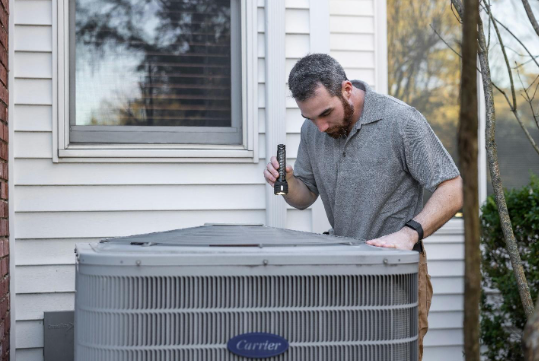
One of the most efficient options available today is a heat pump. Heat pumps are a great choice because they provide both heating and cooling in one system. They work by moving heat rather than generating it, which makes them much more energy-efficient compared to traditional furnaces or air conditioners. If you’re interested in making this upgrade, professional heat pump installation in Lancaster, PA, can ensure your new system is properly sized and installed for maximum efficiency. Experienced local pros can also help you choose a unit that’s right for your home’s layout and your family’s comfort needs. With the right heat pump, you’ll use less energy to keep your home comfortable all year long.
Improve Insulation and Seal Air Leaks
Once you’ve tackled your heating and cooling system, the next step is to make sure your home isn’t letting that conditioned air go to waste. Many homes, especially older ones, have gaps and weak spots where air escapes. It means your system has to work harder to maintain the temperature you want, and you end up using more energy than necessary.
Adding insulation where it’s lacking, such as in the attic, walls, and floors, can help keep warm air in during the winter and cool air in during the summer. Sealing up leaks around windows, doors, and vents is another simple and cost-effective way to improve efficiency. Together, these upgrades reduce drafts, improve comfort, and lower your energy bills.
Install Smart Thermostats
Technology has come a long way in helping homeowners manage energy use more efficiently. A smart thermostat is one of the easiest upgrades you can make, and it offers quick benefits. These devices allow you to control your home’s temperature from your phone, set schedules, and even learn your habits over time.
By automatically adjusting the temperature when you’re away or asleep, a smart thermostat can help you use less energy without sacrificing comfort. It’s a small change, but when combined with other upgrades, it can lead to noticeable savings.
Choose Energy-Efficient Windows
Windows play a bigger role in your home’s energy use than you might realize. If you have old, single-pane windows, a lot of heat can escape during winter, and a lot of unwanted heat can enter during summer. It puts extra strain on your heating and cooling system, driving up energy use.
Replacing old windows with double-pane or triple-pane models designed for energy efficiency can help keep your home’s temperature more stable. Look for windows with low-emissivity (low-E) coatings, which help reflect heat while letting light in. Not only will your home feel more comfortable, but you’ll also reduce the amount of work your heating and cooling system has to do.
Upgrade to Low-Flow Fixtures
Saving energy isn’t just about heating and cooling. Water use can also affect your home’s overall efficiency, especially when it comes to hot water. Installing low-flow showerheads, faucets, and toilets reduces water use without sacrificing performance. It means your water heater won’t have to work as hard, and you’ll see lower utility bills for both water and energy.
These upgrades are easy to install and can be done gradually as part of a larger plan to improve your home’s efficiency. They’re also a great way to make your home more environmentally friendly.
Consider Solar Panels (Where Feasible)
For homeowners looking to make a bigger investment in energy savings, solar panels can be a smart choice. While solar may not be right for every home, many Lancaster homeowners find that the long-term benefits outweigh the upfront costs. With solar panels, you can generate your own electricity, offsetting much of your home’s energy use and reducing your reliance on the grid.
When combined with other upgrades like heat pumps, insulation, and smart thermostats, solar panels can take your home’s efficiency to the next level. Be sure to research local incentives and tax credits, which can make solar more affordable and help you see a return on your investment sooner.
Don’t Overlook Small Changes That Add Up
While big upgrades like new systems or windows make a big difference, don’t underestimate the power of small changes. Switching to LED lighting, adding weatherstripping to doors, or using ceiling fans to help circulate air can all contribute to a more efficient home. Even upgrading old appliances to energy-efficient models can add to your overall savings.
These smaller improvements are often easy to tackle and can be done over time as part of a long-term plan to reduce your energy use. Together, they create a home that’s not only more comfortable but also more affordable to run.
Improving your home’s energy efficiency doesn’t have to be overwhelming. By focusing on one upgrade at a time, whether that’s updating your heating and cooling system, improving insulation, or making small, everyday changes, you can make steady progress toward a more efficient and comfortable home. The key is to start with the areas that will have the biggest impact and build from there.
As a homeowner, you have the power to create a space that’s better for your wallet, your comfort, and the environment. The best time to start is now, so you can enjoy the benefits for years to come.
